
The world of freediving continues to evolve with remarkable innovations in equipment design, and nowhere is this more evident than in the development of advanced monofins. For those passionate about pushing their underwater limits, selecting the right monofin can dramatically influence performance, comfort, and overall diving experience. As we navigate through 2025, three standout models have emerged that exemplify the pinnacle of engineering and design, each offering distinct advantages for different types of divers. Whether you are a seasoned competitor seeking every fraction of a second in your descent or a recreational swimmer looking to enhance your training sessions, understanding the nuances between premium carbon fibre constructions and more traditional materials becomes essential.
Premium Carbon Monofins Versus Traditional Rubber Blades: Understanding Material Quality and Performance in Apnea
The choice of material in monofin construction plays a critical role in determining how efficiently energy transfers from your body into forward propulsion. Premium carbon fibre monofins have gained significant attention among serious freedivers due to their exceptional rigidity and lightweight properties. Carbon blades are engineered to provide a responsive feel during each kick cycle, allowing divers to maintain consistent momentum with reduced effort. This material offers superior energy transfer compared to traditional silicone or rubber alternatives, meaning that each undulation of the body translates more directly into speed through the water. The precision manufacturing involved in creating carbon fibre blades ensures that the flex pattern remains consistent across the entire surface, which contributes to a smoother and more controlled diving experience.
In contrast, silicone monofins deliver a softer, more forgiving experience that appeals to those who prioritise comfort during extended training sessions. Silicone blades tend to absorb some of the energy generated by the diver, which can result in a gentler kick but also means slightly less propulsion per stroke. For recreational swimmers or those new to freediving, this characteristic can be advantageous as it reduces fatigue and allows for longer periods in the water without strain. Rubber monofins occupy a middle ground, offering moderate stiffness and durability at a more accessible price point. These traditional materials have proven their worth over decades of use, providing reliable performance for divers who do not require the cutting-edge efficiency of carbon fibre but still want a solid, dependable piece of equipment.
How Carbon Fibre Construction Enhances Propulsion Efficiency Compared to Silicone and Rubber Alternatives
Carbon fibre construction transforms the mechanics of underwater movement by optimising the relationship between blade stiffness and energy expenditure. When a diver executes a kick with a carbon blade, the material's inherent rigidity ensures that minimal energy is lost to deformation, resulting in a direct conversion of muscular effort into thrust. This efficiency becomes particularly noticeable during deep apnea dives where conserving oxygen is paramount. The reduced drag and enhanced hydrodynamic profile of carbon blades mean that divers can achieve greater depths with fewer kicks, preserving precious breath and extending bottom time. Additionally, the lightweight nature of carbon fibre reduces the overall load on the legs, allowing for more sustained performance during competitive events or rigorous training routines.
Silicone and rubber alternatives, while less rigid, offer their own unique benefits that should not be overlooked. Silicone monofins are celebrated for their comfort and adaptability, making them ideal for long training sessions where the diver needs to focus on technique rather than raw speed. The flexibility of silicone blades allows for a more natural kicking motion, which can be particularly beneficial for beginners who are still developing their freediving technique. Rubber blades strike a balance by providing moderate resistance that helps build leg strength without causing excessive fatigue. For divers who engage in diverse underwater activities, from recreational snorkelling to competitive freediving, the choice between these materials often comes down to personal preference and specific diving goals.
Evaluating blade stiffness, width, and length: which type suits your diving style best
Blade stiffness is one of the most critical factors to consider when selecting a monofin, as it directly impacts the amount of effort required for each kick and the resulting propulsion. Stiffer blades demand more muscular power but reward the diver with greater speed and acceleration, making them the preferred choice for experienced freedivers and competitive athletes. Conversely, softer blades are easier to flex and require less energy, which can be advantageous for beginners or those who prioritise endurance over speed. The width of the blade also plays a significant role in performance, with wider blades offering more surface area to push against the water, thereby increasing thrust. However, this added surface area can also create more drag, so finding the right balance is essential for optimising efficiency.
Length is another dimension that influences how a monofin behaves in the water. Longer blades generate more powerful kicks and are typically favoured by taller divers or those with strong leg muscles, as they can harness the full potential of the extended surface. Shorter blades, on the other hand, provide enhanced manoeuvrability and are easier to control, making them suitable for divers who navigate tight spaces or prefer a more agile swimming style. When evaluating these characteristics, it is important to consider your own physical attributes, diving environment, and the specific objectives you wish to achieve. A well-matched monofin will feel like a natural extension of your body, allowing you to glide through the water with minimal resistance and maximum enjoyment.
Top Three Monofin Models for 2025: Cressi Gara and Leading Competitors in Adjustable Tail Design
Among the standout models available in 2025, the Cressi Gara has established itself as a benchmark for quality and performance in the monofin market. Known for its robust construction and thoughtful design, the Gara combines traditional craftsmanship with modern materials to deliver a product that excels in both recreational and professional settings. The adjustable tail design featured in this model allows divers to fine-tune the fit according to their individual preferences, ensuring optimal comfort and energy transfer during each kick. This adaptability makes the Gara an excellent choice for divers who require versatility, whether they are exploring shallow reefs or embarking on deep apnea dives.
Competing closely with the Cressi Gara are several other models that have garnered attention for their innovative features and competitive pricing. The WaterWay classic monofins, for instance, offer a lightweight construction that appeals to divers seeking a balance between affordability and performance. With a price range extending from approximately one hundred and thirty to two hundred and fifteen pounds, these classic models provide an accessible entry point for newcomers whilst still delivering respectable propulsion and durability. For those willing to invest more, recreational and training monofins from the same manufacturer range from two hundred and thirty-seven to three hundred and ninety-nine pounds, incorporating advanced materials such as fibreglass blades that enhance both stiffness and responsiveness. At the premium end, professional monofins command prices from one hundred and sixty-nine to as much as seven hundred and thirty pounds, reflecting the use of top-tier carbon fibre and meticulous engineering tailored to the demands of competitive freediving.
Detailed specifications review: comparing price points, build quality, and adjustable features across brands
When comparing these leading monofin models, it becomes clear that price is often a reflection of the materials used and the level of customisation available. The Cressi Gara, positioned in the mid to upper range, justifies its cost through superior build quality and the inclusion of adjustable features that cater to a wide variety of foot sizes and shapes. The foot pocket fit is designed to be snug, ensuring that energy from each kick is efficiently transferred to the blade without any slippage. This attention to detail is mirrored in the construction of the blade itself, which utilises a blend of materials to achieve the ideal balance of stiffness and flexibility. Divers who invest in the Gara can expect a product that withstands the rigours of regular use while maintaining consistent performance over time.
In contrast, the WaterWay classic monofins offer a more budget-friendly option without significant compromise on essential features. These models typically incorporate silicone or fibreglass blades, which provide a comfortable and reliable experience for recreational swimmers and those engaged in regular training. The adjustable tail design found in many of these models allows for quick modifications, making them suitable for shared use or for divers who require flexibility in their equipment setup. For those pursuing professional-level performance, the higher-priced models justify their cost through the integration of advanced carbon fibre technology, which delivers unparalleled propulsion efficiency and reduced weight. These premium monofins often feature customisable elements such as adjustable arch support and tailored foot pockets, ensuring that every aspect of the equipment is optimised for the individual diver's physique and technique.
Performance Testing in Water: Which Fins Deliver Superior Speed and Manoeuvrability for Swim Training
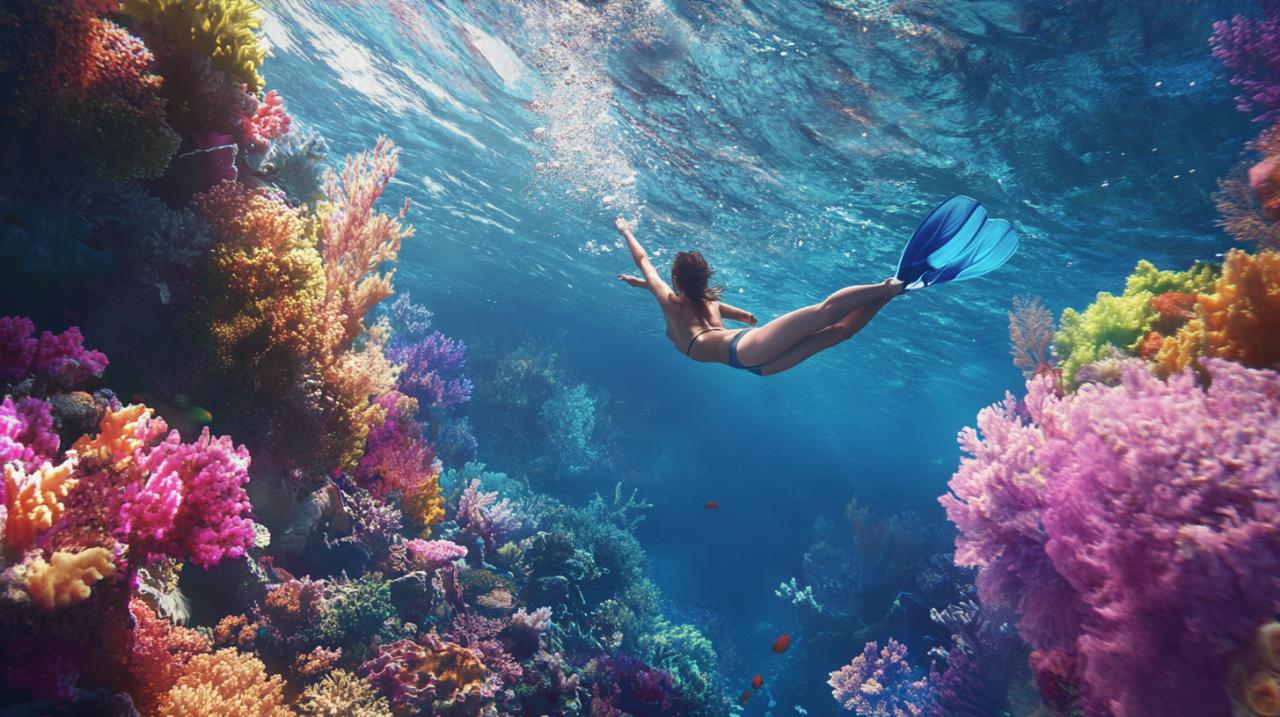
Performance testing in real-world conditions reveals distinct differences between the various monofin models available in 2025. The Cressi Gara consistently demonstrates excellent speed and stability, making it a favourite among divers who value a reliable and predictable kick cycle. In controlled swim training sessions, users report that the Gara's blade stiffness strikes an ideal balance, providing enough resistance to build leg strength without causing excessive fatigue. This characteristic is particularly beneficial for those who engage in long-distance underwater swimming or who are preparing for competitive events. The adjustable tail design further enhances manoeuvrability, allowing divers to execute tight turns and navigate complex underwater environments with confidence.
The WaterWay classic models, while not as rigid as the Gara, excel in scenarios where comfort and endurance are prioritised over raw speed. Divers using these fins for extended training sessions appreciate the softer blade flex, which reduces the strain on muscles and joints. This makes the classic monofins an excellent choice for beginners who are still developing their freediving technique and for recreational swimmers who enjoy leisurely underwater exploration. At the professional end, the premium carbon fibre models from WaterWay deliver exceptional speed and responsiveness, enabling experienced divers to achieve rapid acceleration and maintain high velocities with minimal effort. The superior hydrodynamic profile of these blades translates into measurable performance gains, which can be the difference between a personal best and an average dive in competitive settings.
Is the Premium Price Justified? Cost-Benefit Analysis for Serious Apnea Divers and Recreational Swimmers
For serious apnea divers, the decision to invest in a premium carbon fibre monofin often hinges on the tangible performance benefits that these products deliver. The enhanced propulsion efficiency, reduced weight, and superior energy transfer characteristics of carbon blades can lead to measurable improvements in dive depth, duration, and overall technique. These advantages become particularly significant in competitive freediving, where even marginal gains can influence rankings and personal achievements. The durability of carbon fibre, when properly maintained, also means that the initial investment is spread over many years of reliable use, making the cost per dive session comparatively reasonable. Additionally, the ability to customise aspects such as blade stiffness and foot pocket fit ensures that the equipment evolves with the diver's skill level and changing needs.
Recreational swimmers and those new to freediving may find that the premium price of top-tier monofins is less justifiable, especially if their primary goal is to enjoy underwater exploration without the pressure of competition. For this audience, mid-range models such as the Cressi Gara or the WaterWay recreational monofins offer an appealing compromise, delivering solid performance and comfort at a more accessible price point. These models incorporate many of the design principles found in professional-grade equipment but utilise materials such as fibreglass or silicone that reduce manufacturing costs. The result is a product that meets the needs of the majority of divers whilst still providing opportunities for growth and skill development. Ultimately, the decision should be guided by an honest assessment of your diving ambitions, frequency of use, and budget constraints.
Long-Term Durability and Maintenance: Assessing Value for Money Across Different Monofin Types
Long-term durability is a crucial consideration when evaluating the true value of a monofin purchase. Carbon fibre models, whilst initially more expensive, often prove to be cost-effective over extended periods due to their resilience and resistance to wear. The material does not degrade significantly with repeated exposure to saltwater or chlorine, provided that basic maintenance routines are followed. Rinsing the monofin with fresh water after each use and storing it in a cool, dry place away from direct sunlight are simple steps that can extend the lifespan considerably. Fibreglass blades also offer good durability, though they may be more susceptible to minor chips or cracks if subjected to rough handling. Regular inspections and prompt repairs can mitigate these issues and ensure that the equipment remains safe and effective.
Silicone and rubber monofins require careful attention to prevent premature deterioration, particularly if exposed to harsh environmental conditions or stored improperly. These materials can become brittle or lose their flexibility over time, which can compromise performance and comfort. However, with diligent care, they can provide many years of reliable service, making them a practical choice for divers on a budget. When assessing value for money, it is important to factor in not only the purchase price but also the expected lifespan and the potential costs of repairs or replacements. Premium models may demand a higher upfront investment, but their superior construction and longevity often translate into lower total cost of ownership, especially for divers who use their equipment frequently.
Choosing the Right Monofin for Your Needs: Matching Budget, Skill Level, and Diving Ambitions
Selecting the right monofin involves a thoughtful evaluation of several interconnected factors, including your current skill level, long-term diving ambitions, and available budget. Beginners are generally well-served by models that prioritise comfort and ease of use, such as silicone or fibreglass monofins with adjustable features that accommodate a learning curve. These entry-level options provide a forgiving platform for developing proper freediving technique without the intimidation or financial commitment associated with high-end carbon blades. As proficiency increases, upgrading to a stiffer, more responsive blade can unlock new levels of performance and open the door to competitive opportunities.
Intermediate and advanced divers who have established a solid foundation in freediving technique will benefit from the precision and efficiency offered by premium carbon fibre monofins. These models are designed to complement refined skills, allowing divers to execute powerful, controlled kicks that maximise propulsion whilst minimising energy expenditure. The customisable elements found in many professional-grade monofins enable fine-tuning to match individual biomechanics, ensuring that every aspect of the equipment works in harmony with the diver's natural movement patterns. Budget considerations remain important, but for those who are committed to advancing their capabilities and achieving ambitious goals, the investment in top-tier equipment is often a catalyst for significant progress and personal satisfaction. By carefully matching your equipment choice to your unique circumstances and aspirations, you can ensure that your monofin becomes a trusted companion on every underwater adventure.