
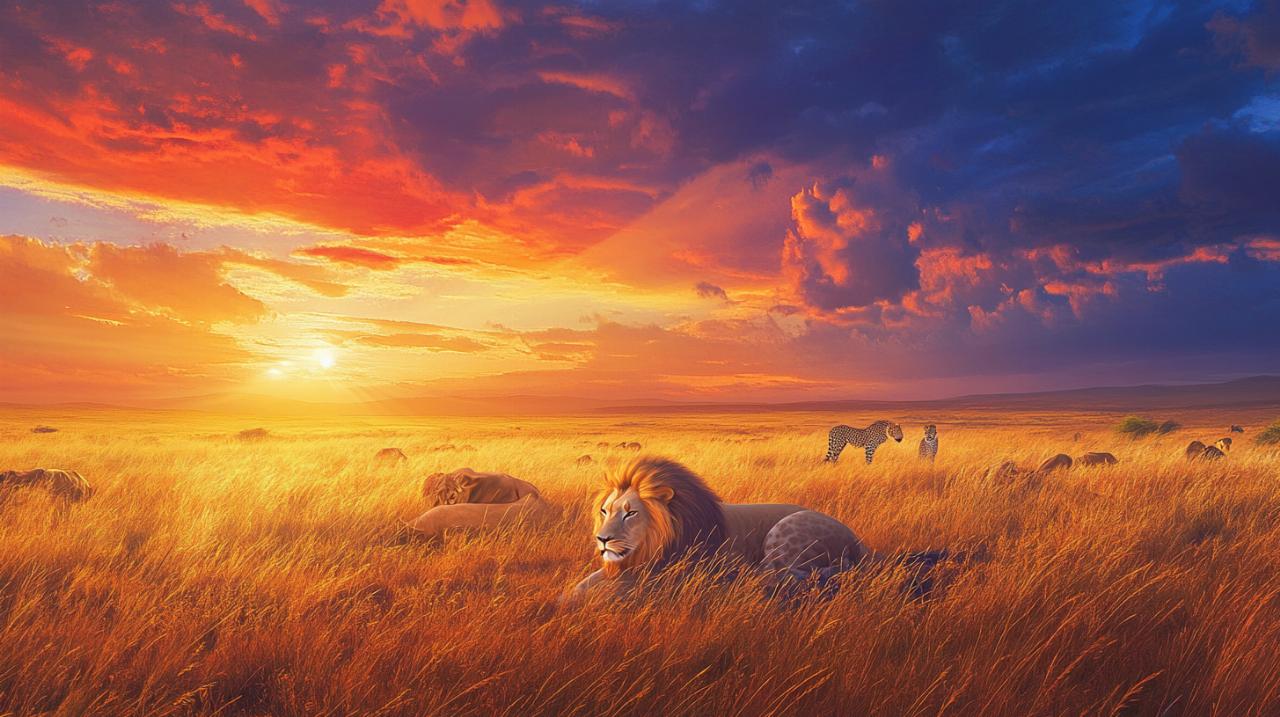
Tanzania stands as one of the finest destinations on Earth for witnessing the raw beauty of big cats in their natural environment. The Serengeti National Park, in particular, offers a stage where nature's most dramatic performances unfold daily. While lions, leopards, and cheetahs often steal the spotlight, the true enthusiast knows that the region also harbours elusive treasures such as servals and caracals. These rare wildcats demand patience, knowledge, and a touch of luck to encounter. Planning a safari that maximises your chances of spotting these secretive felines requires more than simply booking a tour; it calls for strategic timing, expert guidance, and an understanding of the behaviours and habitats that define these remarkable creatures.
Planning your serengeti safari: essential tips for spotting elusive wildcats
A successful big cat safari begins long before you set foot on Tanzanian soil. The foundation of any memorable wildlife adventure lies in selecting the right operator and timing your visit to coincide with peak activity periods. Tanzania's vast landscapes and varied ecosystems mean that preparation is not merely advisable; it is essential. From the moment you land at Kilimanjaro International Airport or Julius Nyerere International Airport, your journey should be orchestrated with precision. The dry season, spanning June to October, emerges as the golden window for wildlife sightings. During these months, vegetation recedes, and animals congregate around dwindling water sources, creating prime conditions for observing predators on the hunt. However, the calving season from January to March in the Southern Serengeti and Ndutu Plains offers intense predator-prey drama as thousands of wildebeest give birth, attracting lions, cheetahs, and leopards in droves.
Choosing the Right Safari Operator and Guide in Arusha
The quality of your safari hinges significantly on the expertise of your guide and the reputation of your chosen operator. Arusha serves as the gateway to many of Tanzania's most celebrated parks, and it is here that numerous agencies offer everything from budget-friendly packages to sumptuous lodge experiences. A knowledgeable guide transforms a simple game drive into an educational journey, sharing insights into animal behaviour, tracking techniques, and the subtle signs that indicate a predator's presence. Many operators provide guides fluent in multiple languages, ensuring that communication flows smoothly and enriches your experience. When selecting an operator, consider reading reviews and seeking recommendations to identify those with a proven track record. The best agencies not only know the parks like the back of their hand but also respect the delicate balance of the ecosystem, prioritising responsible travel that supports conservation efforts. From the comfort of your accommodation to the reliability of your transport, every detail matters in creating an unforgettable adventure.
Best Times of Year for Wildcat Sightings in the Serengeti
Timing your visit to coincide with specific ecological events can dramatically enhance your chances of encountering rare wildcats. The Serengeti's annual migration is one of the most spectacular wildlife phenomena on the planet, and it dictates the movements of predators throughout the year. Between December and March, the Southern Serengeti and Ndutu area become a theatre of life and death as wildebeest calves flood the plains, drawing cheetahs and lions into a frenzy of hunting activity. This period is particularly favourable for cheetah sightings, as the open grasslands provide the perfect stage for their lightning-fast pursuits. As the herds move westward from April to May, the Central Serengeti, particularly the Seronera Valley, remains a stronghold for resident lions and leopards, even as the long rains might reduce visibility slightly. The months of June and July see the migration reach the Western Corridor and Grumeti River, where predators lie in wait for the dramatic river crossings. By August through October, the Northern Serengeti around Kogatende and the Mara River becomes a hotspot for predator activity, with high densities of lions and leopards capitalising on the migrating herds. November marks the southward journey, offering another chance to witness predators on the move. Each season presents unique opportunities, and understanding these rhythms allows you to tailor your itinerary to your wildcat ambitions.
Beyond Lions and Leopards: Tracking Servals, Caracals and Other Rare Felines
While the African lion and leopard command attention with their size and charisma, the medium cats of Tanzania offer a different kind of thrill. Servals and caracals, though smaller and more secretive, are no less captivating. These solitary hunters operate largely under the cover of darkness, making them extraordinarily challenging to spot. Their nocturnal habits and preference for dense vegetation mean that sightings are rare treasures, celebrated by safari-goers and guides alike. Understanding their behaviour and knowing where to look can significantly improve your odds of a memorable encounter.
Understanding Serval and Caracal Behaviour and Habitats
The serval is a slender, long-legged cat characterised by its large ears and spotted coat, perfectly adapted for hunting in tall grass. This feline relies on acute hearing to detect rodents and birds, often leaping high into the air to pounce on unsuspecting prey. Servals favour wetlands, grasslands, and areas with dense cover, making them more commonly associated with the edges of lakes and riverine habitats. Their nocturnal nature means that most sightings occur during early morning or late afternoon drives, when they may still be active before retreating to cover. The caracal, on the other hand, is a master of stealth and adaptability. With its distinctive tufted ears and reddish-brown coat, this cat thrives in a variety of environments, from semi-arid scrublands to forested areas. Caracals are incredibly secretive, often avoiding human presence and remaining hidden even in areas where they are relatively common. Both species are solitary and territorial, which further reduces the likelihood of chance encounters. Recognising the subtle signs of their presence, such as tracks, droppings, or the alarm calls of prey species, can provide clues that an expert guide will use to direct your search. Patience is paramount, as these cats do not adhere to predictable schedules or routes.
Top Locations Within the Serengeti for Rare Wildcat Encounters
While the Serengeti is vast, certain areas within the park have earned reputations as prime locations for spotting medium cats. The Seronera Valley in the Central Serengeti is renowned for year-round sightings of lions and leopards, but it also offers opportunities to glimpse servals in the grasslands, particularly near the kopjes and riverine thickets. The Ndutu Plains, active from December to March, attract not only the big cats but also servals hunting amidst the chaos of the calving season. The Northern Serengeti, especially around Kogatende, provides a less crowded experience, and the varied terrain can sometimes yield caracal sightings for the vigilant observer. Beyond the Serengeti, the Ngorongoro Crater boasts the highest lion density in Africa, with approximately seventy resident lions, and its diverse habitats also support servals and caracals. Lake Manyara National Park is famed for its tree-climbing lions, yet its wetlands and forests are equally suitable for servals. Tarangire National Park, with its iconic baobab trees and concentrated wildlife during the dry season, offers another excellent venue for both leopards in the trees and servals in the grasslands. Ruaha National Park and Nyerere National Park, formerly known as Selous, extend your options further, each harbouring robust populations of predators and providing unique ecosystems where rare wildcats can be encountered. Private conservancies adjacent to these parks often offer the added advantage of fewer tourists and more flexible game-viewing schedules, increasing your chances of a special sighting.
Making the Most of Your Tanzanian Wildlife Adventure: Combining Parks and Cultural Experiences
A truly enriching safari extends beyond the boundaries of a single park. Tanzania's diverse landscapes and rich cultural heritage offer countless opportunities to deepen your connection to this remarkable country. By combining visits to multiple parks and integrating cultural experiences, you can craft an itinerary that satisfies both your wildlife ambitions and your curiosity about the people who call this land home. Such journeys not only enhance your appreciation of the natural world but also contribute to the livelihoods of local communities and the broader conservation movement.
Extending Your Journey to Ngorongoro Crater, Tarangire and Lake Manyara
A seven-day itinerary that includes Tarangire, the Serengeti, Ngorongoro Crater, and Lake Manyara provides a comprehensive overview of Tanzania's big cat habitats. Each park offers distinct landscapes and wildlife concentrations, ensuring that no two game drives feel the same. Tarangire's baobab-studded plains and seasonal river attract elephants in vast numbers, but lions and leopards are equally at home here, often seen resting in the shade or stalking prey near water sources. The Ngorongoro Crater, a UNESCO World Heritage Site, is a self-contained ecosystem where the sheer density of wildlife creates almost guaranteed sightings of lions, and the varied terrain supports servals and caracals as well. Lake Manyara, though smaller, punches above its weight with its tree-climbing lions and prolific birdlife, not to mention the possibility of encountering servals in the park's diverse habitats. Transitioning between these parks allows you to experience different facets of Tanzania's natural wealth, from the open savannahs to the lush forests and crater floors. The journey itself, often punctuated by breathtaking vistas and encounters with local communities, becomes an integral part of the adventure.
Adding a Touch of Paradise: Zanzibar Beach Extensions and Maasai Cultural Visits
After days of early morning drives and intense wildlife observation, a beach extension to Zanzibar offers the perfect counterbalance. This island paradise, just a short flight from the mainland, provides pristine beaches, turquoise waters, and a chance to unwind in luxury. Zanzibar's rich history and vibrant culture add another layer to your Tanzanian experience, blending relaxation with exploration. Alternatively, or additionally, many safari operators offer opportunities to visit Maasai communities, providing a glimpse into a traditional way of life that has endured for centuries. These cultural visits are more than mere tourist attractions; they foster mutual understanding and respect, and they often support local development initiatives. Engaging with the Maasai, learning about their customs, and witnessing their deep connection to the land enriches your safari in ways that transcend wildlife sightings. Whether you choose to extend your journey with a beach retreat, a cultural immersion, or both, these experiences ensure that your Tanzanian adventure is as diverse and memorable as the landscapes and wildlife that define this extraordinary country.