
Warsaw stands as a city where resilience and beauty intertwine, offering travellers a captivating blend of historic grandeur, poignant wartime stories, and vibrant modern culture. With its meticulously reconstructed Old Town, stunning palaces, and an impressive array of museums, the Polish capital invites visitors to delve into centuries of history whilst enjoying contemporary art, lively districts, and traditional cuisine. A well-planned three-day itinerary allows you to experience the essence of this remarkable city without feeling rushed, ensuring you capture its most iconic landmarks alongside hidden gems that reveal the soul of Poland.
Day one: exploring warsaw's historic heart and old town
Morning at the Royal Castle and Market Square
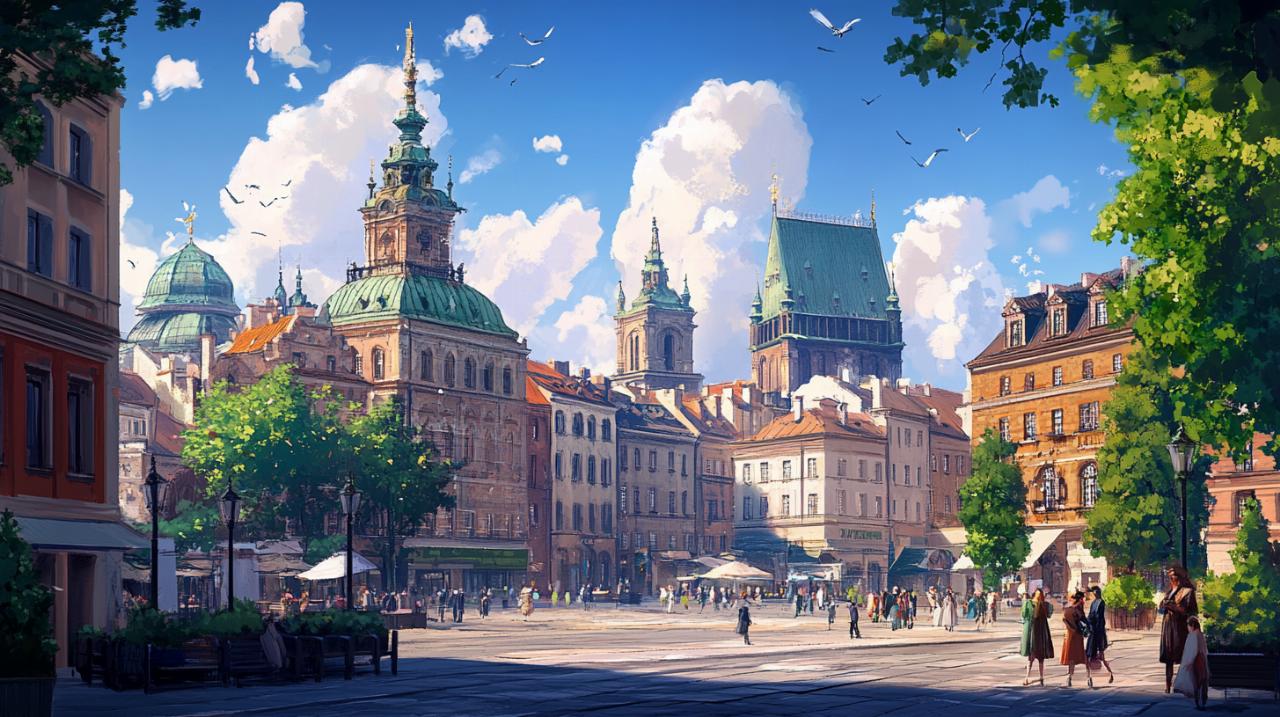
Your first morning in Warsaw should begin in the enchanting Old Town, a UNESCO World Heritage Site that has been lovingly restored after wartime destruction. Castle Square serves as the perfect starting point, where the impressive Royal Castle stands as a testament to Polish royal heritage and resilience. Once the official residence of Polish monarchs, the castle now houses stunning interiors, historical exhibitions, and art collections that transport visitors back to the days of grandeur. Wandering through its halls, you will encounter intricate baroque and rococo décor, rich tapestries, and rooms that echo with stories of kings and queens who shaped the nation. After immersing yourself in royal history, take a leisurely stroll through the cobbled streets towards Market Square, the heart of the Old Town. This picturesque square, surrounded by colourful townhouses and bustling cafes, exudes a fairytale atmosphere that invites you to sit down for lunch and savour authentic Polish cuisine. Sampling pierogi, those delightful dumplings filled with meat, cheese, or potatoes, provides a true taste of local tradition and culinary heritage.
Afternoon Walk Through Lazienki Park and Palace on the Isle
After a fulfilling morning, dedicate your afternoon to the serene beauty of Lazienki Krolewskie Park, one of Warsaw's most beloved green spaces. This expansive park, originally a royal bathing complex, now offers a tranquil escape from the urban bustle, with manicured gardens, tree-lined pathways, and elegant statues dotting the landscape. At its heart lies the Palace on the Isle, an exquisite neoclassical residence set on a small island surrounded by a picturesque lake. The palace, once a summer retreat for King Stanisław August Poniatowski, showcases refined interiors and remarkable art collections that reflect the king's sophisticated taste and cultural aspirations. Strolling through the park, you will encounter peacocks roaming freely, charming bridges arching over calm waters, and numerous spots perfect for a moment of reflection. As the afternoon light filters through the trees, consider climbing the Observation Terrace at St. Anne's Church for sweeping views over the Old Town rooftops and the Vistula River. This vantage point offers a unique perspective on the city's layout and architectural diversity, making it a memorable way to conclude your first day. In the evening, indulge in a traditional Polish dinner at a local restaurant, perhaps accompanied by a Chopin concert that captures the romantic spirit of Poland's most celebrated composer.
Day two: warsaw's wartime legacy and cultural treasures
The jewish ghetto memorial and polin museum experience
Your second day in Warsaw takes you deeper into the city's poignant wartime history, beginning with a visit to the area that once housed the Jewish Ghetto during the Second World War. The Jewish Ghetto Memorial stands as a solemn reminder of the suffering endured by the Jewish community under occupation, marking the site where thousands lived in desperate conditions before being deported to concentration camps. Walking through this district, you will encounter monuments, plaques, and remnants that honour the memory of those who perished. The nearby POLIN Museum of the History of Polish Jews offers a comprehensive and deeply moving exploration of Jewish life in Poland spanning a thousand years. Through interactive exhibitions, multimedia displays, and meticulously curated artefacts, the museum tells the story of a vibrant community that contributed immensely to Polish culture, science, and commerce. The museum's modern architecture and thoughtful design create an immersive experience that educates and inspires reflection, ensuring visitors leave with a profound understanding of the Jewish legacy in Poland. This visit is not merely a historical lesson but a powerful reminder of the importance of tolerance, memory, and human dignity.
Warsaw uprising museum and national museum highlights
Following your morning exploration, head to the Warsaw Rising Museum, an institution dedicated to commemorating the heroic 1944 uprising against occupying forces. The museum offers an emotionally charged journey through the sixty-three days of intense fighting, showcasing personal testimonies, photographs, weapons, and reconstructed wartime settings that bring the past vividly to life. Visitors can walk through a replica sewer system used by insurgents, listen to recordings of survivors, and view archival footage that captures the courage and sacrifice of those who fought for freedom. The Warsaw Rising Museum stands as a tribute to the indomitable spirit of the Polish people and their determination to reclaim their city and sovereignty. After this intense and meaningful experience, spend the late afternoon at the National Museum, which houses an extensive collection of Polish and European art spanning centuries. From medieval religious icons to modernist masterpieces, the museum offers a rich cultural tapestry that reflects Poland's artistic evolution. Notable highlights include works by renowned Polish painters, decorative arts, and ancient artefacts that provide insight into the nation's heritage. As evening approaches, consider dining in the city centre or unwinding at the Panorama Sky Bar, where sweeping views over Warsaw's skyline provide a stunning backdrop to cocktails and conversation, allowing you to reflect on the day's profound discoveries.
Day Three: Wilanow Palace and the Vibrant Praga District
Wilanow palace gardens and baroque architecture
On your final day, venture beyond the city centre to discover the splendour of Wilanow Palace, often referred to as the Polish Versailles. This magnificent baroque residence, commissioned by King Jan III Sobieski in the late seventeenth century, showcases opulent interiors, lavish furnishings, and a remarkable art collection that reflects the wealth and power of the Polish monarchy. The palace's ornate facades, adorned with sculptures and intricate detailing, stand as a masterpiece of baroque architecture. Inside, visitors can explore sumptuously decorated rooms, including the grand gallery, the royal apartments, and the library, each offering a glimpse into the luxurious lifestyle of the Polish nobility. The surrounding gardens, meticulously landscaped in the baroque and English styles, invite leisurely walks through manicured lawns, vibrant flower beds, and serene water features. The gardens also house elegant sculptures and pavilions that enhance the romantic atmosphere, making Wilanow Palace a perfect destination for those seeking beauty, history, and tranquillity. Spending a few hours here allows you to appreciate the artistic and cultural achievements of Poland's golden age, providing a fitting contrast to the wartime narratives explored on previous days.
Discovering praga's street art and local vodka culture
After your morning at Wilanow Palace, return to the city and immerse yourself in the vibrant and eclectic Praga district, located on the eastern bank of the Vistula River. Once considered a rough neighbourhood, Praga has undergone a remarkable transformation, emerging as a hub for artists, musicians, and creative entrepreneurs. The district's streets are adorned with colourful murals and graffiti that reflect contemporary Polish culture and social commentary, making it a paradise for photography enthusiasts and urban explorers. Wandering through Praga, you will discover charming cafes, vintage shops, and alternative galleries that showcase the work of local talent. The Neon Museum, housed in a former industrial building, offers a nostalgic journey through Poland's socialist past, displaying restored neon signs that once lit up the streets of Warsaw and other Polish cities. This quirky museum celebrates a unique aspect of Polish design history and provides a playful counterpoint to the more sombre sites visited earlier. To round off your three days, consider visiting the Polish Vodka Museum, where you can learn about the history, production, and cultural significance of Poland's most famous spirit. The museum offers tastings and interactive exhibits that reveal the craftsmanship behind this iconic beverage. Alternatively, explore the Powisle area, a lively neighbourhood known for its riverside cafes, craft beer bars, and relaxed atmosphere, perfect for reflecting on your Warsaw adventure. For a truly local experience, grab a meal at a Milk Bar, a traditional Polish canteen serving hearty, affordable dishes that have been a staple of Polish life for generations. As your final evening unfolds, perhaps enjoy a river cruise along the Vistula or relax at a rooftop bar, soaking in the views and memories of a city that has captivated your heart with its history, culture, and resilience.