
As travellers become increasingly aware of their environmental impact, coastal destinations worldwide are responding with innovative approaches that blend leisure with responsibility. From solar-powered hotels nestled along sandy shores to community-driven efforts protecting fragile marine ecosystems, the shift towards more mindful tourism has never been more evident. This transformation reflects a broader movement where holidaymakers seek not only relaxation but also reassurance that their presence contributes positively to the places they visit.
Green initiatives transforming seaside resorts
Coastal resorts have emerged as pioneers in adopting environmentally conscious practices, with many establishments reimagining their operations from the ground up. The integration of renewable energy sources has become a hallmark of forward-thinking hospitality providers, who recognise that reducing carbon footprints is no longer optional but essential. Solar panels adorning rooftops, wind turbines harnessing coastal breezes, and geothermal systems powering heating and cooling are becoming common sights along popular shorelines. These technologies not only reduce reliance on fossil fuels but also demonstrate to guests that luxury and sustainability can coexist harmoniously.
Eco-lodges and sustainable accommodation models
The rise of eco-lodges represents a significant departure from traditional resort architecture, with these structures designed to minimise environmental disruption while maximising guest comfort. Constructed using locally sourced materials and incorporating passive design principles, these accommodations blend seamlessly into their natural surroundings. Rainwater harvesting systems, composting toilets, and wastewater treatment facilities are no longer novelties but standard features. Many properties have embraced zero-waste philosophies, eliminating single-use plastics and sourcing provisions from nearby farms and fisheries. This approach not only reduces transportation emissions but also strengthens local economies, creating a virtuous cycle where tourism dollars support sustainable living trends within host communities. The California Institute of the Arts students have captured this ethos through their exhibition Blue Echo, which explores humanity's relationship with oceanic environments and the urgent need for stewardship.
Renewable energy integration in coastal hospitality
Beyond accommodation, the broader hospitality sector along coastlines has embraced renewable energy as a cornerstone of operational strategy. Restaurants powered entirely by solar energy, marinas offering electric charging stations for boats, and event spaces illuminated by wind-generated electricity showcase the versatility of clean power solutions. Some destinations have gone further, establishing micro-grids that allow entire tourism precincts to operate independently of traditional energy networks. This transition has been accelerated by falling costs of renewable technology and growing consumer expectations for businesses to demonstrate environmental responsibility. Before the pandemic, over 1.4 billion international travellers were globetrotting, and as tourism rebounds, many of these visitors are actively seeking destinations that prioritise sustainability. The economic implications are substantial, given that in 2019, tourism accounted for 4.3% of global investment, which is around $948 billion, suggesting that greener practices can attract significant capital and visitor interest.
Community-led conservation and responsible tourism practices
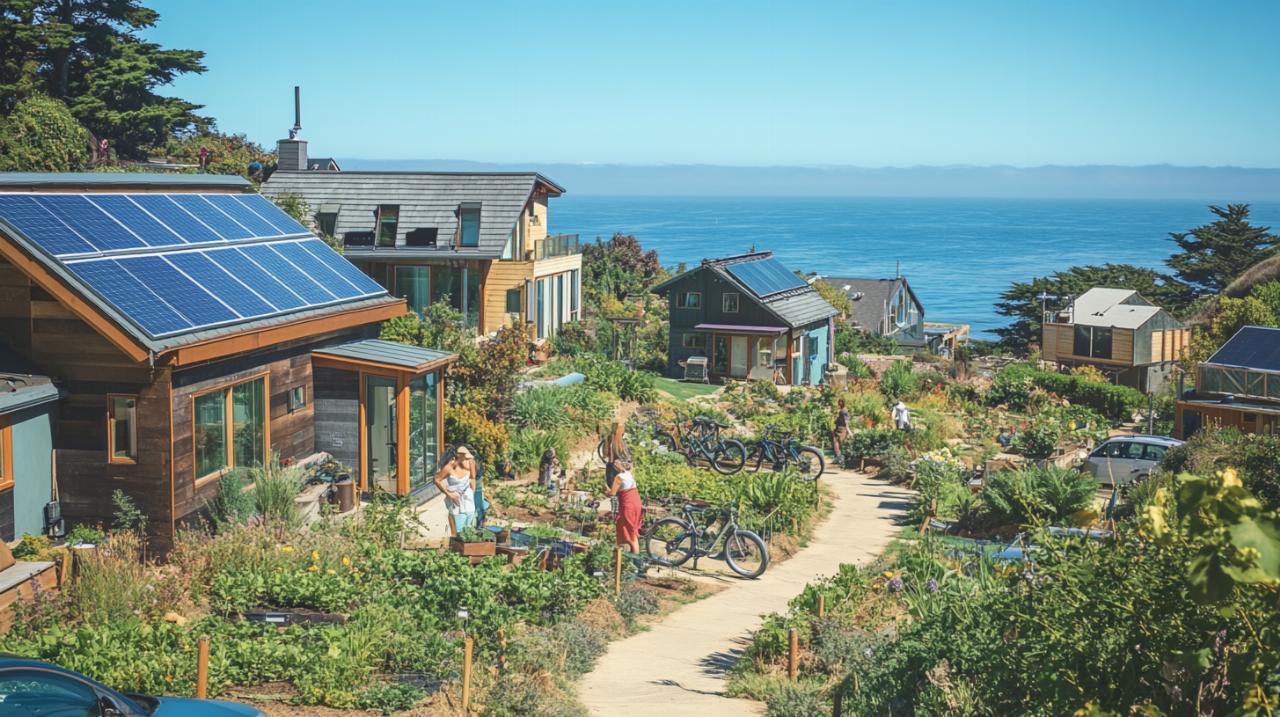
While infrastructure improvements are vital, the most profound changes in coastal tourism stem from grassroots initiatives where local residents take active roles in environmental stewardship. These community-led efforts recognise that sustainable living trends must be embedded in daily life rather than imposed from above. Fishing villages have transformed into guardians of marine biodiversity, establishing no-take zones and participating in coral restoration projects. Residents have become tour guides, sharing traditional ecological knowledge with visitors and fostering deeper connections between people and place. This shift has been supported by international frameworks and collaborative efforts, such as Canada hosting a workshop on 100% Sustainable Ocean Management at the 2025 Osaka World Expo in Japan, which highlights the global commitment to marine conservation.
Local engagement in coastal preservation schemes
Empowering communities to lead conservation initiatives ensures that tourism development aligns with local values and long-term environmental health. Coastal preservation schemes often involve training programmes that equip residents with skills in ecological monitoring, sustainable fishing practices, and heritage interpretation. These initiatives generate employment opportunities that reduce dependence on extractive industries, offering alternative livelihoods that value preservation over exploitation. Revenue from tourism is increasingly channelled into community trust funds, which finance education, healthcare, and environmental protection projects. Ocean Panel Leaders are releasing a Communiqué at the 2025 UN General Assembly, underscoring the importance of collaborative governance in protecting marine resources. This high-level attention reflects recognition that successful conservation requires integrating local knowledge with global best practices, ensuring that coastal communities remain both economically viable and ecologically resilient.
Responsible excursions supporting marine ecosystems
The transformation of tourism experiences themselves has been equally significant, with operators shifting from extractive to regenerative models. Whale watching expeditions now emphasise respectful observation distances, snorkelling tours educate participants about reef ecology, and beachcombing activities incorporate citizen science data collection. These experiences satisfy the growing demand for wildlife encounters while ensuring minimal disturbance to natural behaviours. Up to 40% of tourism worldwide is wildlife tourism, highlighting the sector's potential to either harm or help biodiversity depending on how activities are managed. Certification programmes have emerged to guide consumers towards responsible operators, with Royal Caribbean Group achieving over 2,000 GSTC-certified tours by December 2020, demonstrating that large-scale tourism enterprises can meet rigorous sustainability standards. Such certifications provide transparency, allowing travellers to make informed choices that align with their values and support operators committed to environmental stewardship.
The evolution of coastal tourism towards sustainability reflects a broader societal recognition that environmental health and economic prosperity are interdependent rather than contradictory. As destinations continue to innovate and communities deepen their conservation commitments, the future of seaside holidays appears brighter and more responsible. This transformation requires ongoing collaboration between governments, businesses, and residents, ensuring that the natural beauty attracting visitors today remains intact for generations to come. The journey towards truly sustainable coastal tourism is ongoing, but the progress made thus far offers considerable hope and practical blueprints for destinations worldwide seeking to balance visitor enjoyment with ecological integrity.