
The journey to Santiago de Compostela has captivated the hearts of countless pilgrims for over a millennium, weaving together faith, adventure, and self-discovery along ancient pathways that traverse the diverse landscapes of France and Spain. Among the most historically significant routes is the Chemin de Vézelay, a path that begins in the picturesque region of Burgundy and stretches across approximately nine hundred kilometres before reaching St Jean Pied-de-Port, and ultimately extending to seventeen hundred kilometres when pilgrims arrive at the famed cathedral in Santiago de Compostela. This pilgrimage is not merely a physical challenge but a profound spiritual undertaking that honours the legacy of Saint James, whose relics are believed to rest in the Galician capital.
The Historic Origins and Spiritual Significance of the Camino de Santiago
Saint James and the Birth of a Sacred Pilgrimage Tradition
The story of the Camino de Santiago is deeply intertwined with the legend of Saint James, one of the apostles of Jesus, who is said to have preached in the Iberian Peninsula before his martyrdom in Jerusalem. According to tradition, his remains were miraculously transported back to Galicia, where they were discovered in the ninth century. This discovery sparked a wave of devotion that transformed Santiago de Compostela into one of Christianity's most revered pilgrimage destinations, rivalling even Rome and Jerusalem. The routes that emerged over the centuries became known collectively as the Camino, each pathway offering its own unique blend of history, culture, and natural beauty. Pilgrims from across Europe embarked on these journeys, often walking on foot in small groups, sharing experiences and forming bonds that transcended social and geographical boundaries. The pilgrimage was seen as an act of penance, a quest for spiritual renewal, or simply an opportunity to connect with something greater than oneself.
The Medieval Routes: From Vézelay Through France to the Spanish Border
The Chemin de Vézelay stands out among the various routes to Santiago due to its rich historical significance and the diverse landscapes it traverses. Starting in the charming town of Vézelay, renowned for its stunning basilica dedicated to Mary Magdalene, the route splits into two branches: one passing through Bourges and another through Nevers. The Bourges route is notably shorter and flatter, making it an attractive option for those seeking a less strenuous journey, while the Nevers route stretches an additional thirty-one and a half kilometres and presents more varied terrain, including gentle hills and picturesque valleys. Both paths eventually converge and guide pilgrims southward through a tapestry of forests, open plains, river gorges, and quaint villages steeped in history. Along the way, walkers encounter numerous historical sites that speak to the medieval heritage of the pilgrimage, from ancient churches and monasteries to stone bridges that have stood the test of time. The mild climate and the highest elevation of just six hundred and ninety-five metres mean that the route can be undertaken year-round, though spring and autumn are particularly favoured for their pleasant weather and extended daylight hours. Summer, while less crowded with tourists, can still offer a serene and contemplative experience for those willing to embrace the warmth.
Exploring the Principal Routes: French Way, Portuguese Way, and Camino del Norte
The Camino Francés: The Most Travelled Path to Santiago de Compostela
The Camino Francés is undoubtedly the most popular and well-trodden route to Santiago de Compostela, attracting thousands of pilgrims each year from all corners of the globe. This path traditionally begins in St Jean Pied-de-Port, a picturesque town nestled in the French Pyrenees, and winds its way across northern Spain through iconic cities such as Pamplona, Burgos, and León before culminating in the spiritual heart of Santiago. The Camino Francés offers a rich tapestry of cultural and historical experiences, with pilgrims passing through regions that have witnessed centuries of Christian, Moorish, and Roman influence. The route is marked by a well-established network of waymarking, ensuring that even first-time walkers can navigate with confidence. Accommodation options are plentiful, ranging from communal pilgrim refuges to cosy bed and breakfasts and private lodgings, catering to a variety of budgets and preferences. The camaraderie among pilgrims on the Camino Francés is legendary, with many walkers forming lasting friendships as they share stories, meals, and the occasional blister remedy. The landscape itself is a constant source of wonder, shifting from the rugged peaks of the Pyrenees to the sun-drenched plains of Castile and finally to the lush green hills of Galicia, where the scent of eucalyptus fills the air and the promise of Santiago draws ever closer.
Alternative Routes Through the Basque Country and Northern Spain
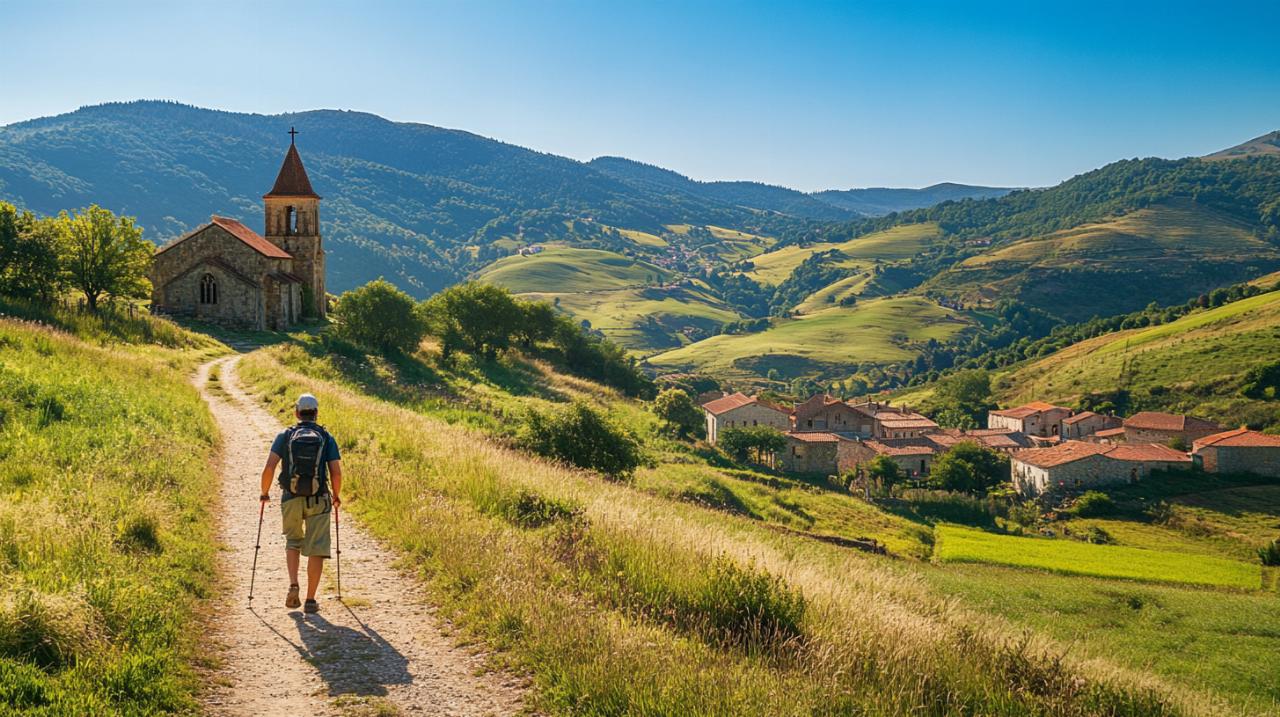
For those seeking a different experience, the Camino del Norte and the routes through the Basque Country offer a compelling alternative to the busier Camino Francés. The Camino del Norte follows the northern coastline of Spain, providing pilgrims with breathtaking views of the Atlantic Ocean and access to charming coastal towns and vibrant cities such as San Sebastián and Bilbao. This route is celebrated for its stunning scenery, with dramatic cliffs, sandy beaches, and verdant hillsides creating a visual feast at every turn. The Basque Country, with its rich heritage and distinctive culture, adds an extra layer of fascination to the journey, as pilgrims savour local delicacies like pintxos and immerse themselves in a region where ancient traditions coexist with modern innovation. The Portuguese Way, meanwhile, offers yet another variation, beginning in Lisbon or Porto and crossing into Spain via Galicia. This route is known for its gentler terrain and the warm hospitality of the Portuguese people, making it an excellent choice for those who prefer a less demanding walk or wish to explore the Iberian Peninsula from a different perspective. Each of these alternative routes brings its own character and challenges, yet all share the common thread of leading pilgrims towards the same sacred destination, where the spirit of Saint James and the shared experience of the pilgrimage create a sense of unity and accomplishment.
Planning your pilgrimage: credentials, stages, and earning your compostela
Obtaining Credentials and Understanding the Requirements for Your Certificate
Before setting out on the Camino, pilgrims must obtain a credential, a document that serves as both a passport and a record of their journey. This credential is stamped at various points along the route, including churches, refuges, and cafés, providing tangible proof of the distance covered. To earn the Compostela, the official certificate of completion issued by the cathedral authorities in Santiago de Compostela, pilgrims must walk at least the final one hundred kilometres on foot or complete two hundred kilometres by bicycle. The credential not only facilitates access to pilgrim accommodation but also serves as a cherished memento of the journey, with each stamp representing a moment, a place, and often a personal milestone. The process of collecting these stamps becomes a ritual in itself, offering opportunities to interact with locals and fellow pilgrims while reflecting on the progress made. The Dutch Association of St James and similar organisations provide updated information and support for those planning their pilgrimage, including detailed guidebooks that outline the stages, terrain, and available facilities. Membership in these associations often comes with additional benefits, such as access to exclusive events, maps, and advice from experienced pilgrims who have walked the routes themselves. For many, the journey towards Santiago is as much about the preparation and anticipation as it is about the walk itself, with each stage of planning bringing its own sense of excitement and purpose.
Notable Stages: From Conques' Medieval Architecture to the Final Approach to Santiago
The pilgrimage is traditionally divided into stages, each typically spanning between twenty and thirty kilometres, allowing walkers to progress at a steady pace while taking time to appreciate the surroundings and rest in the evening. Among the most memorable stops along the various routes is Conques, a medieval gem renowned for its stunning Romanesque abbey and the intricate tympanum that adorns its entrance. This town, perched on a hillside in southern France, has welcomed pilgrims for centuries and continues to inspire awe with its timeless beauty and spiritual atmosphere. As pilgrims move further along their chosen path, they encounter a succession of historical sites, natural wonders, and welcoming communities that embody the enduring appeal of the Camino. The final approach to Santiago de Compostela is a moment of profound emotion, as the cathedral's spires come into view and the realisation dawns that the long journey is nearing its end. The sense of achievement upon receiving the Compostela is often accompanied by a mixture of joy, relief, and a touch of melancholy, as pilgrims bid farewell to the route that has been their home for weeks or even months. The experience of walking the Camino leaves an indelible mark on all who undertake it, offering not only a deeper connection to history and spirituality but also a renewed appreciation for the simple act of putting one foot in front of the other, day after day, in pursuit of something greater. Whether starting from Vézelay, St Jean Pied-de-Port, or any other departure point, the pilgrimage to Santiago de Compostela remains a journey of transformation, where every step is a testament to faith, perseverance, and the timeless human desire to seek meaning beyond the everyday.