
Setting off to discover Brazil means embracing a country of extraordinary scale, where vibrant cities sit alongside some of the planet’s richest natural landscapes. From the mountains overlooking Rio de Janeiro to the wetlands of the Pantanal, every region offers something distinct, and a well-planned trip can weave together urban culture, colonial heritage and untamed nature within a single unforgettable stay.
The essentials
- Brazil offers a diverse travel experience that seamlessly blends vibrant urban life, rich colonial history, and breathtaking natural landscapes.
- Major cities like Rio de Janeiro, São Paulo, and Salvador serve as cultural hubs, each showcasing unique aspects of Brazilian identity from iconic landmarks to Afro-Brazilian heritage.
- Historical towns such as Ouro Preto preserve Brazil’s colonial past through well-maintained baroque architecture and UNESCO-protected city centres.
- The country boasts world-class natural wonders, ranging from the massive cascades of Iguaçu Falls to the unique wetlands of the Pantanal and the expansive Amazon rainforest.
- Brazil’s diverse ecosystems support a vast array of wildlife, making destinations like the Pantanal and the marine-rich Fernando de Noronha archipelago ideal for nature enthusiasts.
- Coastal regions, including the ‘Green Coast’ and northeastern dunes like Lençóis Maranhenses, provide visitors with spectacular beaches and unique geological formations to explore.
Urban Treasures: Rio de Janeiro, São Paulo and Salvador
No trip to Brazil feels complete without time spent in its most iconic city. Rio de Janeiro remains the beating heart of Brazilian culture, a place where mountains tumble down towards golden sand and the energy of daily life never quite settles. Visitors typically begin with free time along Copacabana beach before joining a guided tour that takes in the great landmarks, including the statue of Christ the Redeemer watching over the city and the granite peak of Sugarloaf Mountain rising from the bay.
Rio de Janeiro: Between Copacabana, Ipanema and Cultural Richness
Beyond the postcard views, Rio rewards travellers willing to wander further. The neighbouring beach of Ipanema offers a slightly quieter, more residential atmosphere, while a trek through Tijuca National Park and a stroll through the Botanical Garden reveal a surprisingly green side to this sprawling metropolis. Those who choose to stay a little longer often find that Rio’s charm lies as much in its street life and music as in its famous skyline.
Salvador da Bahia and São Paulo: Afro-Brazilian Heritage at the Heart of Brazil
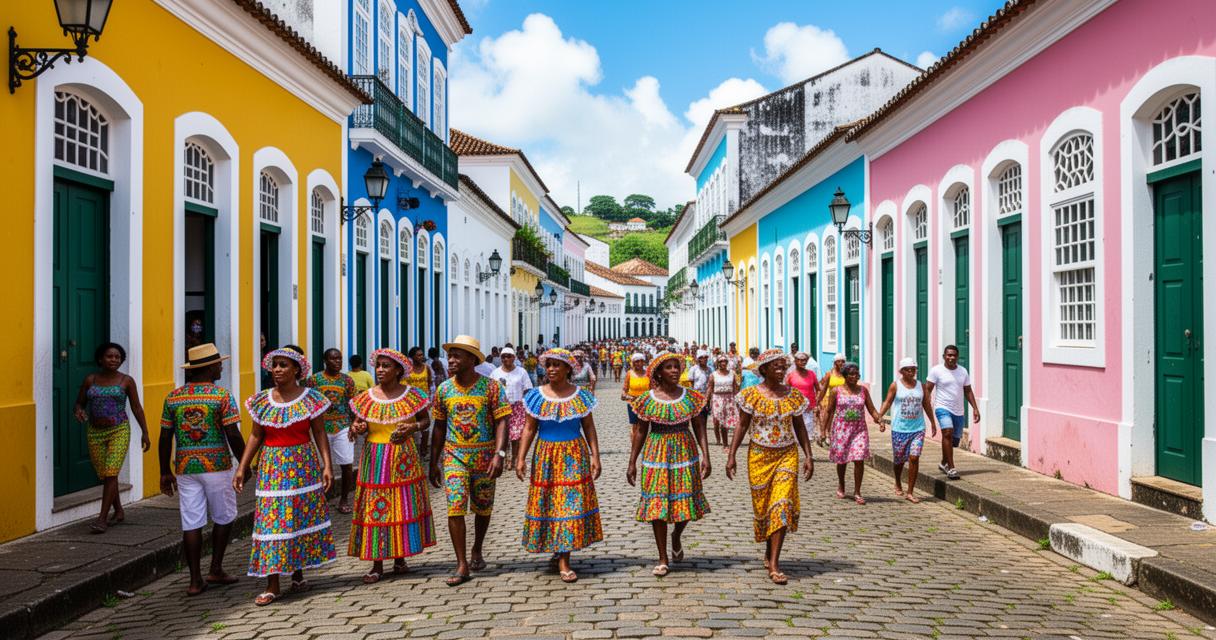
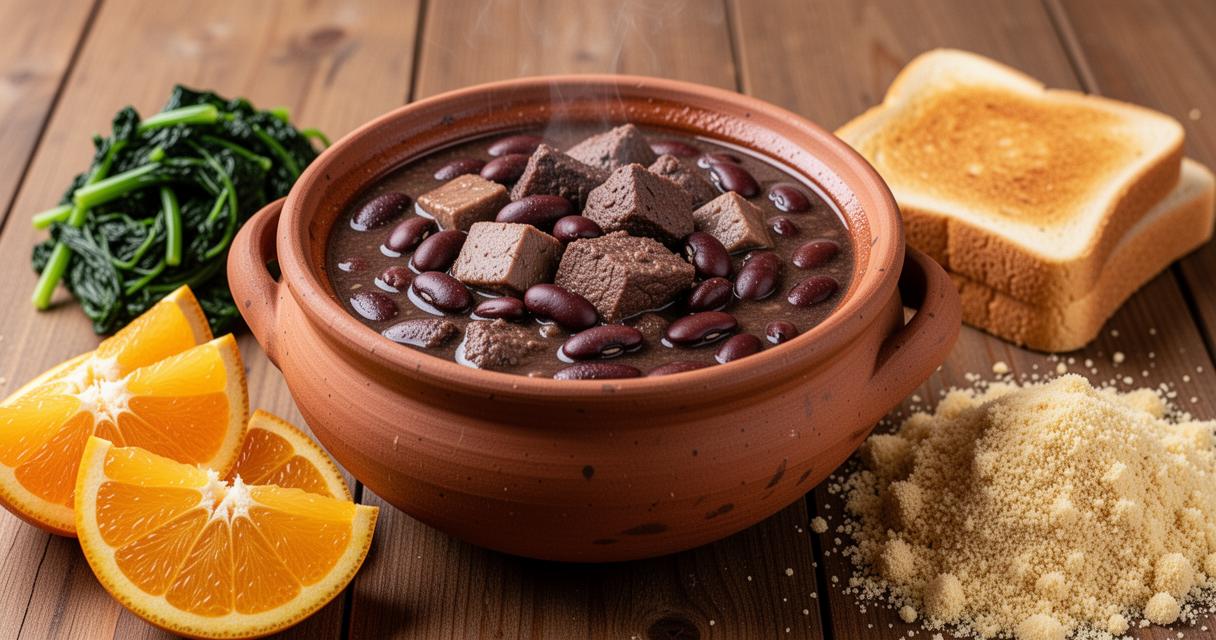
Travelling north along the coast brings visitors to Salvador, capital of the state of Bahia and widely regarded as the cultural cradle of Afro–Brazilian identity. A half-day guided city tour introduces the colourful colonial streets, the rhythms of capoeira and the flavours of a cuisine shaped by centuries of West African influence. Meanwhile, São Paulo stands as the country’s economic and artistic powerhouse, a vast urban centre where world-class galleries, restaurants and nightlife sit alongside a fast-paced, cosmopolitan spirit that contrasts sharply with the laid-back rhythm of the coast.
Colonial gems and unesco-recognised historical centres
Away from the coastline, Brazil hides a collection of historical towns that tell the story of its colonial past. These destinations move at a gentler pace, inviting visitors to wander cobbled streets lined with baroque churches and pastel-coloured façades that have survived for centuries.
Ouro Preto and Chapada Diamantina: Baroque Splendour in the Countryside
The town of Ouro Preto, whose name recalls the black gold once mined in its surrounding hills, remains one of the finest examples of baroque architecture in South America. Not far away, the Chapada Diamantina region offers a striking contrast, its landscapes drawing visitors eager to combine natural beauty with a touch of history.
Protected architecture across brazil’s historical cities
Several other towns across the country share this careful blend of heritage and charm. Many have been classified for their architectural and cultural significance, ensuring that the colonial character of their centres endures for future generations. Wandering through these historical quarters, visitors often sense how deeply Brazil’s Portuguese past still shapes its identity, even amid the modern pulse of its larger cities.
Natural Wonders: From Iguaçu Falls to the Amazonian Forest
If the cities reveal Brazil’s cultural depth, its landscapes showcase the sheer scale of its natural wonders. Few sights compare to the Iguaçu Falls, a thundering cascade of roughly two hundred and seventy-five waterfalls stretching almost three kilometres along the border with Argentina. Regarded as one of the great natural spectacles of the world, the falls can be admired from both the Brazilian and Argentine sides, with boat trips and even helicopter rides offering fresh perspectives on their scale.
Iguaçu National Park, Pantanal and Lençóis Maranhenses: Fauna and Flora Sanctuaries
The surrounding national park protects a remarkable range of fauna and flora, including the vividly coloured toucans found at the nearby Parque das Aves. Further west, the Pantanal unfolds as the largest wetland on Earth, a sanctuary where hundreds of bird species share the marshland with caimans, capybaras and elusive jaguars. Travellers are generally encouraged to stay at least a few nights here to make the most of wildlife spotting. In the country’s northeast, the dunes and lagoons of Lençóis Maranhenses create a landscape that feels almost otherworldly, while the Amazonian rainforest, covering close to half of Brazil’s territory, remains home to an extraordinary share of the planet’s animal species, with Manaus serving as the main gateway for guided excursions into its depths.
Fernando de Noronha Archipelago and Brazil’s Green Coast: Paradise Beaches and Marine Life
For those drawn to the sea, the Fernando de Noronha archipelago offers some of the clearest waters and richest marine life found anywhere along the Brazilian coast, making it a favourite among divers and nature lovers alike. Along the so-called Green Coast, stretches such as Ilha Grande and Paraty Bay combine forested hills with secluded beaches, best explored through boat tours, jeep excursions or simply a hike towards a hidden cove. Whether it is the buzz of Rio, the heritage of Ouro Preto or the wild beauty of the Pantanal, Brazil continues to reveal new reasons to visit and to discover its many faces, one region at a time.