
The French Alps present a remarkable backdrop for those seeking an escape into nature, where towering peaks meet verdant valleys and crystal-clear lakes shimmer under endless skies. Whether you're drawn to the idea of pitching a tent beneath the stars in a secluded meadow or prefer the comfort and convenience of a well-equipped campsite with family-friendly amenities, the region caters to a diverse range of preferences. Choosing between wild camping and traditional campgrounds ultimately depends on your appetite for adventure, your need for facilities, and how you wish to experience the stunning beauty and serenity that define this Alpine haven.
Understanding Wild Camping and Traditional Campgrounds in the French Alps
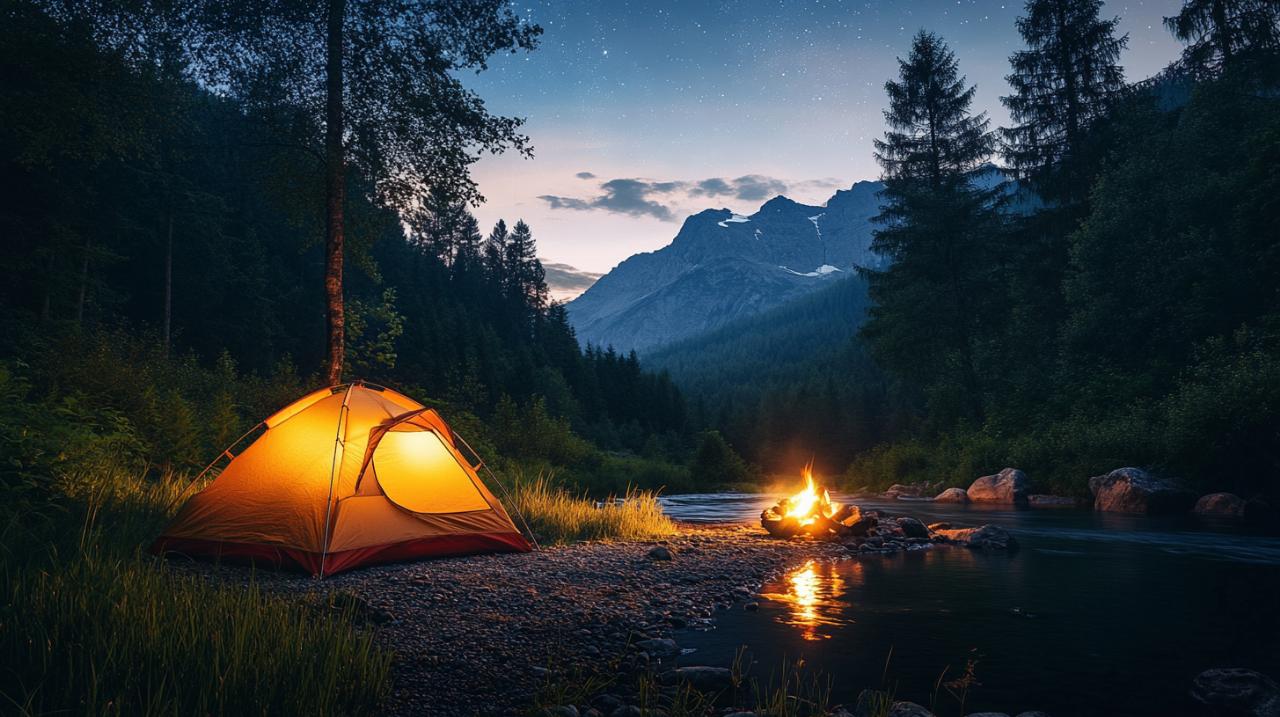
Wild camping in the French Alps embodies a spirit of adventure and freedom that appeals to those who crave a genuine connection with the natural world. This approach to camping involves setting up your tent in remote, undesignated areas away from established sites, allowing you to immerse yourself fully in the tranquillity of the mountains. The allure lies in the solitude and the opportunity to wake up to breathtaking vistas without the constraints of formal facilities or the presence of fellow campers nearby. However, it is essential to understand that camping laws in France stipulate that only registered campsites are officially permitted, though wild camping is generally tolerated provided you follow specific rules. These include camping only above the tree line, leaving no trace, and respecting local regulations, which can vary by region and national park.
What defines wild camping in alpine regions
Wild camping in Alpine regions is characterised by its emphasis on self-sufficiency and minimal impact on the environment. It requires careful planning and a willingness to carry all necessary equipment, from lightweight tents and sleeping bags to portable cooking gear and water purification systems. The experience is defined by the absence of permanent structures, electricity, or running water, which means campers must be prepared to manage all aspects of their stay independently. This style of camping is ideal for those who seek to disconnect from busy life and engage directly with the raw beauty of the Alps. The sense of accomplishment that comes from navigating the terrain, finding a suitable pitch, and managing your own needs in the wilderness is a significant part of the appeal. It is worth noting that while the French Alps offer spectacular opportunities for wild camping, campers must remain vigilant about weather conditions and terrain challenges, ensuring safety and environmental stewardship at all times.
The Appeal of Established Campgrounds and Holiday Parks
Traditional campgrounds and holiday parks in the French Alps offer a very different proposition, combining the joys of outdoor living with a host of modern conveniences and family-friendly features. These sites are designed to accommodate a variety of camping styles, from pitching your own tent to booking a fully equipped mobile home or caravan. The appeal of established campgrounds lies in the reliability of their facilities, which often include hot showers, clean toilets, electricity hookups, and sometimes even on-site shops and restaurants. For families travelling with children, the presence of swimming pools, playgrounds, and organised entertainment can transform a simple camping trip into a memorable holiday. Notable campsites such as Camping Ravoire, Camping Lac Bleu, Camping Domaine du Cros D'Auzon, Camping Domaine de Chaussy, Camping L'Ideal, and Camping Les Dômes de Miage are celebrated for their stunning locations and comprehensive amenities. These sites provide easy access to outdoor activities like hiking and mountain biking while ensuring that campers have a comfortable base to return to at the end of the day. The structured environment of a traditional campground also offers peace of mind for those less experienced in outdoor pursuits, making it an accessible option for all ages and abilities.
Comparing Facilities and Amenities: From Basic Pitches to Premium Holiday Rentals
When comparing the facilities and amenities available in the French Alps, the contrast between wild camping and traditional campgrounds becomes particularly evident. Wild camping strips away all but the essentials, demanding that campers bring everything they need and rely on their own resourcefulness. In contrast, established campsites provide a spectrum of options, from basic pitches for tents to premium holiday rentals that include mobile homes and caravans equipped with kitchens, bathrooms, and comfortable sleeping quarters. This variety allows visitors to tailor their experience to their budget, group size, and desired level of comfort. The availability of such diverse accommodation options ensures that whether you are seeking a rustic adventure or a more luxurious outdoor holiday, the French Alps can deliver an experience that meets your expectations.
Family-Friendly Features at Traditional Campsites: Pools, Parks and Entertainment
Family-friendly features are a cornerstone of the appeal of traditional campsites in the French Alps, transforming a simple camping trip into a comprehensive holiday experience. Many campgrounds boast aquatic parks with swimming pools, water slides, and splash areas designed to keep children entertained for hours. These facilities are particularly valuable during the warmer months, offering a refreshing respite after a day of exploring the mountains. Beyond aquatic attractions, campsites often include dedicated play parks with swings, climbing frames, and sports courts where youngsters can burn off energy and make new friends. Evening entertainment, ranging from live music and themed parties to outdoor cinema screenings, adds an extra dimension to the holiday, ensuring that there is something for everyone. For parents, these amenities provide a sense of security and convenience, knowing that their children are engaged and safe within the confines of the campsite. The combination of natural beauty and modern facilities creates an environment where families can enjoy the best of both worlds, connecting with nature during the day while returning to comfort and entertainment in the evening. This blend of outdoor adventure and structured leisure makes traditional campgrounds an ideal choice for those travelling with children or seeking a more relaxed camping experience.
What to Expect When Camping Wild: Essential Kit and Self-Sufficiency
Camping wild in the French Alps demands a high degree of self-sufficiency and careful preparation, as there are no shops, showers, or electricity points to fall back on. Your essential kit should include a robust, lightweight tent capable of withstanding sudden weather changes, a warm sleeping bag rated for Alpine conditions, and a sleeping mat for insulation and comfort. Cooking equipment such as a portable stove, fuel, and lightweight pots are indispensable, as is a reliable supply of food and water or the means to purify natural sources. Navigation tools, including maps, a compass, and ideally a GPS device, are crucial for finding suitable camping spots and ensuring you can return safely. A first aid kit, headtorch, and weather-appropriate clothing layers complete the essentials. The experience of wild camping requires you to embrace a minimalist mindset, carrying only what you truly need while being prepared for the unexpected. This style of camping rewards those who are organised and capable, offering unparalleled freedom and a profound sense of achievement. The absence of facilities means that every aspect of your stay, from finding a safe pitch to managing waste responsibly, is entirely in your hands, reinforcing the importance of environmental stewardship and respect for the fragile Alpine ecosystem.
Choosing Your Ideal Camping Style for the French Alps Adventure
Deciding between wild camping and traditional campgrounds in the French Alps ultimately comes down to understanding your own preferences, experience level, and the type of holiday you wish to enjoy. Both options provide unique opportunities to experience the stunning beauty and many activities that define this region, from hiking and mountain biking to water sports such as white water rafting, sailing, and kayaking. The choice is not merely about comfort versus adventure but about the kind of connection you seek with the natural world and the level of convenience you require. For some, the serenity and challenge of wild camping offer the perfect antidote to the demands of modern life, while others may find that the facilities and social atmosphere of an established campground enhance their enjoyment and allow them to relax more fully.
Booking Options for Tents, Caravans and Mobile Homes at Campgrounds
Booking a stay at a traditional campground in the French Alps offers a wealth of options to suit different tastes and budgets. Many sites provide pitches where you can set up your own tent, caravan, or motorhome, giving you the flexibility to bring your own equipment while still benefiting from the campsite's facilities. For those seeking a more comfortable experience without the hassle of transporting camping gear, fully equipped mobile homes and holiday rentals are available. These accommodations typically feature bedrooms, kitchens, bathrooms, and living areas, offering a home-from-home experience in the heart of the mountains. Some campgrounds also offer bungalows or chalets, providing a step up in comfort and space. Booking options are generally straightforward, with many sites offering online reservations and detailed information about their facilities and nearby attractions. Notable towns to visit, such as Annecy, Grenoble, and Aix-les-Bains, are within easy reach of many campgrounds, making it simple to combine a nature-based holiday with cultural excursions and urban exploration. Services like Alps 2 Alps airport transfers can further simplify travel arrangements, ensuring that getting to the French Alps is as stress-free as possible. The variety of booking options ensures that whether you are planning a short weekend break or an extended summer holiday, you can find accommodation that perfectly matches your needs.
Planning a Wild Camping Experience: Regulations and Best Practices
Planning a wild camping experience in the French Alps requires careful attention to regulations and a commitment to best practices that protect both the environment and your own safety. While wild camping is generally tolerated, it is crucial to understand the specific rules that apply to the areas you intend to visit. Camping is typically permitted above the tree line, often around nineteen hundred metres, and only from dusk until dawn, meaning you must pack up and move on each morning. Certain national parks and nature reserves may have stricter regulations or prohibit wild camping altogether, so thorough research before your trip is essential. Best practices include choosing a discreet pitch that minimises your impact, avoiding fragile vegetation, and ensuring you leave no trace by packing out all rubbish and waste. Respect for wildlife and other outdoor enthusiasts is paramount, as is being prepared for rapidly changing weather conditions that can turn benign landscapes into challenging environments. Carrying appropriate maps, informing someone of your plans, and checking weather forecasts are all vital steps in ensuring a safe and enjoyable adventure. The ideal for disconnecting and engaging with nature is best achieved when you approach wild camping with respect, preparation, and a willingness to adapt to the demands of the Alpine environment. By following these guidelines, you can enjoy the unparalleled freedom and beauty of wild camping while contributing to the preservation of the French Alps for future generations.