
The Kansai region of Japan presents a remarkable tapestry of ancient heritage, culinary delights, and seasonal beauty, making it an ideal destination for travellers seeking an immersive cultural experience. Spanning ten days, a carefully planned journey through this area allows visitors to explore the vibrant streets of Osaka, the serene temples of Kyoto, the sacred deer parks of Nara, and the spiritual retreats of Wakayama. Understanding the rhythm of the seasons, particularly the enchanting cherry blossom period in late March to early April, can transform an ordinary holiday into an unforgettable adventure filled with traditional festivals and breathtaking natural scenery.
Planning your 10-day kansai adventure: practical travel essentials
Embarking on a ten-day exploration of Kansai requires thoughtful preparation to ensure smooth movement between cities and efficient use of time. The region is well connected by an extensive rail network, making it straightforward to hop between Osaka, Kyoto, and Nara, as well as venture further afield to Hyogo and Wakayama. Travellers will find that combining advanced booking of accommodations with flexible day-to-day plans allows for spontaneous discoveries while maintaining a structured itinerary. Packing essentials such as good walking shoes, a portable battery pack, a small day bag, and an umbrella or rain jacket will prove invaluable, particularly when navigating bustling markets and exploring temple grounds. Budget estimates can vary widely, ranging from around one hundred to eight hundred pounds or more per day depending on personal preferences, but careful planning can make the journey accessible to a range of budgets.
Maximising Movement with the Japan Rail Pass Across Kyoto, Osaka, and Nara
The Japan Rail Pass, often referred to as the JR Pass, stands as one of the most cost-effective and convenient ways to traverse Kansai and beyond. This pass grants unlimited travel on most JR trains, including the shinkansen bullet trains, which can whisk visitors between major cities in a matter of minutes. For those arriving in Tokyo before heading to Kansai, the pass offers seamless connectivity, allowing day trips to Kamakura or Nikko before moving westward. Once in Kansai, the pass facilitates effortless journeys between Osaka, Kyoto, and Nara, as well as excursions to Himeji or Kobe. It is advisable to activate the pass upon arrival at an international airport, ensuring maximum value throughout the trip. Using essential apps such as Google Maps and Google Translate enhances the travel experience by providing real-time navigation and overcoming language barriers, making the entire journey more comfortable and enjoyable.
Navigating international airport connections and evening districts like umeda
International travellers typically arrive at Kansai International Airport, which serves as the primary gateway to the region. From the airport, efficient rail connections transport visitors directly into the heart of Osaka, where the Umeda district awaits with its towering skyscrapers and vibrant nightlife. The Umeda Sky Building offers panoramic views of the city, particularly stunning at dusk when the urban landscape is bathed in warm hues. Evening activities in Umeda and nearby Shinsaibashi provide ample opportunities to sample street food, browse local markets, and soak in the lively atmosphere. For those arriving later in the day, it is wise to arrange accommodation close to the airport or in central Osaka to minimise travel time and maximise rest before the adventure begins. The district is also well equipped with international dining options and shopping centres, making it a convenient base for both arrival and departure days.
Cherry blossom season and traditional celebrations: timing your kansai visit
Selecting the optimal time to visit Kansai can dramatically enhance the overall experience, particularly if the journey coincides with the cherry blossom season or traditional festivals. The period from late March to early April sees parks and temple grounds blanketed in delicate pink and white blooms, creating a dreamlike setting that draws visitors from around the world. Beyond the iconic sakura, Kansai also hosts a variety of seasonal celebrations throughout the year, including summer festivals with vibrant parades and fireworks, autumn foliage displays that transform temple gardens into fiery tapestries, and winter illuminations that add a touch of magic to the colder months. Understanding these rhythms allows travellers to align their itinerary with the most captivating moments, ensuring memories that linger long after the trip concludes.
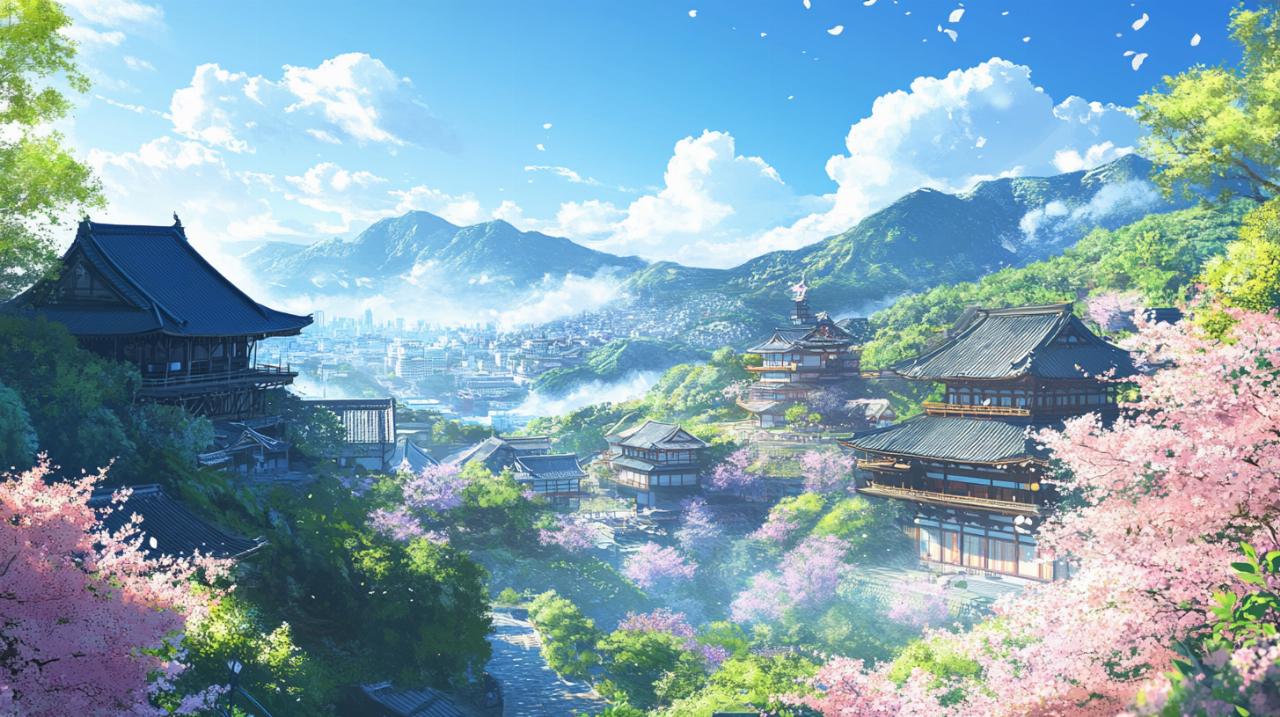
Spring Splendour: Experiencing Cherry Blossoms at Parks and Heritage Sites
Spring in Kansai is synonymous with cherry blossoms, and the region boasts some of the most picturesque viewing spots in all of Japan. In Kyoto, the Philosopher's Path is a tranquil canal-side walk lined with hundreds of cherry trees, offering a serene escape from the urban bustle. Arashiyama, with its bamboo groves and riverside parks, provides another idyllic setting where the blossoms reflect in the calm waters. Nara Park, home to free-roaming deer, becomes even more enchanting during sakura season, as the gentle animals wander beneath flowering branches. For those seeking a more elevated perspective, the grounds surrounding historic castles such as Osaka Castle and Himeji Castle offer expansive gardens where visitors can picnic and photograph the blooms against ancient stone walls. Timing a visit to coincide with the peak bloom requires a degree of flexibility, as the dates shift slightly each year depending on weather conditions, but the effort is richly rewarded by the sheer beauty of the spectacle.
Traditional Festivals in Nara and Seasonal Highlights Throughout Kansai
Beyond cherry blossoms, Kansai is a treasure trove of traditional festivals that celebrate local culture and spiritual heritage. Nara hosts several annual events that bring the city's history to life, including lantern festivals where thousands of paper lamps illuminate temple paths and shrine grounds. Summer festivals across the region feature lively street parades, traditional music, and food stalls serving takoyaki, okonomiyaki, and other local delicacies. Autumn brings vibrant foliage that rivals the spring blooms, particularly in the mountainous areas around Koyasan and the Kumano pilgrimage routes. Winter illuminations transform cities and parks into glittering wonderlands, with light displays adding warmth to the chilly evenings. For those planning their visit around events such as the HYPER JAPAN Festival in London in July 2026, the excitement and cultural immersion experienced in Kansai can serve as inspiration and a deeper connection to Japanese traditions. Each season offers its own unique charm, making Kansai a destination worth visiting multiple times to fully appreciate its diverse beauty.
Must-see temples, unesco sites, and national treasures across kansai
Kansai is home to an astonishing concentration of historic temples, shrines, and UNESCO World Heritage sites, each offering a window into Japan's rich spiritual and architectural legacy. From the iconic torii gates of Fushimi Inari Taisha to the ancient wooden halls of Todaiji Temple, these sites are not merely tourist attractions but living monuments that continue to serve their communities. Museums throughout the region showcase national treasures, from exquisite ceramics and paintings to ancient manuscripts and samurai armour, providing context and depth to the visible heritage. A ten-day itinerary allows ample time to explore these highlights at a leisurely pace, ensuring that each visit is meaningful rather than rushed.
Exploring fushimi inari, ancient temples, and museums showcasing japan's heritage
No visit to Kyoto is complete without ascending the vermillion torii pathways of Fushimi Inari Taisha, a shrine dedicated to the deity of rice and prosperity. The thousands of torii gates form tunnels that wind up the sacred Mount Inari, creating a mesmerising journey that can take several hours to complete. In Nara, Todaiji Temple houses the Great Buddha, a colossal bronze statue that has stood as a symbol of the city for over a millennium. The surrounding Nara Park, where deer roam freely and interact with visitors, adds a layer of enchantment to the experience. Museums such as the Kyoto National Museum and the Nara National Museum offer curated collections that illuminate the artistry and craftsmanship of bygone eras, featuring national treasures that are meticulously preserved and displayed. These institutions provide valuable insights into the spiritual and cultural forces that have shaped Kansai, making them essential stops for anyone seeking a deeper understanding of the region.
UNESCO World Heritage Locations and Unmissable Attractions in Kyoto and Nara
The UNESCO World Heritage designations across Kansai underscore the global significance of the region's historic sites. In Kyoto, the elegantly restored Nijo Castle showcases the architectural splendour of the Edo period, with its ornate interiors and beautifully landscaped gardens. The castle's nightingale floors, designed to chirp underfoot as a security measure, offer a unique auditory experience that transports visitors back in time. Himeji Castle, located in Hyogo, is another UNESCO site renowned for its pristine white facade and strategic hilltop position, earning it the nickname White Heron Castle. The castle grounds provide panoramic views of the surrounding countryside and are particularly stunning during cherry blossom season. In Wakayama, the sacred temple complex of Koyasan offers a spiritual retreat where visitors can stay in traditional shukubo lodgings and participate in morning prayers. The nearby Kumano Nachi Taisha, part of the ancient Kumano pilgrimage routes, features a dramatic waterfall that has been venerated for centuries. These sites, each with their own unique stories and significance, form the backbone of any comprehensive Kansai itinerary and offer experiences that resonate on both aesthetic and spiritual levels.