
Abandoned settlements scattered across the globe offer visitors a unique glimpse into the past, where time seems to have stood still and stories of former inhabitants linger in the air. From the silent streets of France's Goussainville to the windswept wooden structures of California's Bodie, these ghost towns present an extraordinary opportunity for travellers seeking to connect with history in a profoundly tangible way. Whether embarking on an expert-led tour or venturing independently into these forgotten landscapes, the experience of walking through a ghost town provides a haunting yet captivating journey into the lives and ambitions of those who once called these places home.
Exploring france's forgotten villages: goussainville and medieval heritage sites
Goussainville-vieux pays: a modern ghost town frozen in time
Goussainville-Vieux Pays stands as a remarkable example of a modern ghost town within France, a village that history did not abandon through gradual decline but rather through the sudden and dramatic impact of contemporary infrastructure development. Located in the northern suburbs of Paris, this settlement was once a thriving community with deep roots in the French countryside. However, the construction of Charles de Gaulle Airport in the early nineteen seventies brought about an unexpected transformation. The relentless noise from aircraft and concerns over safety led to the eventual evacuation of residents, leaving behind a haunting tableau of empty homes, overgrown gardens, and silent streets that speak to a very different kind of abandonment than that experienced by medieval villages or Wild West mining camps.
The aesthetic of Goussainville-Vieux Pays differs markedly from the romanticised ruins of centuries past. Here, visitors encounter relatively intact structures from the mid-twentieth century, complete with personal artefacts and remnants of everyday life that evoke a sense of immediacy and loss. The village church, old stone houses, and narrow lanes retain their architectural integrity, offering a poignant reminder of the lives that were uprooted. Exploring this site provides a unique perspective on how modern economic and technological forces can transform communities, creating ghost towns not through the exhaustion of natural resources or economic collapse, but through the relentless march of progress and urban expansion.
Medieval abandoned villages: cobblestone streets and art deco treasures
Beyond Goussainville, France is home to a wealth of medieval ghost towns and abandoned villages that captivate visitors with their cobblestone streets, crumbling stone walls, and echoes of a bygone era. These settlements, often perched on hilltops or nestled in remote valleys, were once vibrant centres of commerce, agriculture, and community life. Over the centuries, shifting trade routes, plagues, wars, and economic changes led to their gradual decline and eventual desertion. Today, they stand as open-air museums, where visitors can wander through ancient alleyways, explore ruined chapels, and imagine the daily rhythms of medieval existence.
The heritage preserved in these sites extends beyond mere stone and mortar. Many of these villages feature remarkable examples of medieval architecture, including fortified gates, Gothic windows, and remnants of communal ovens and wells. Some sites have also attracted artists and preservationists who have added layers of cultural richness, occasionally integrating art deco elements into restoration efforts or creating installations that juxtapose the ancient with the modern. The aesthetic charm of cobblestone streets, weathered facades, and ivy-clad walls provides a picturesque backdrop that appeals to photographers, historians, and travellers alike. Walking through these forgotten villages offers a profound connection to the past, inviting reflection on the transience of human endeavour and the enduring beauty of historical landscapes.
California's Preserved Ghost Towns: Bodie, Rhyolite, and the American West's Living Museums
Bodie state historic park: america's best-preserved gold rush settlement
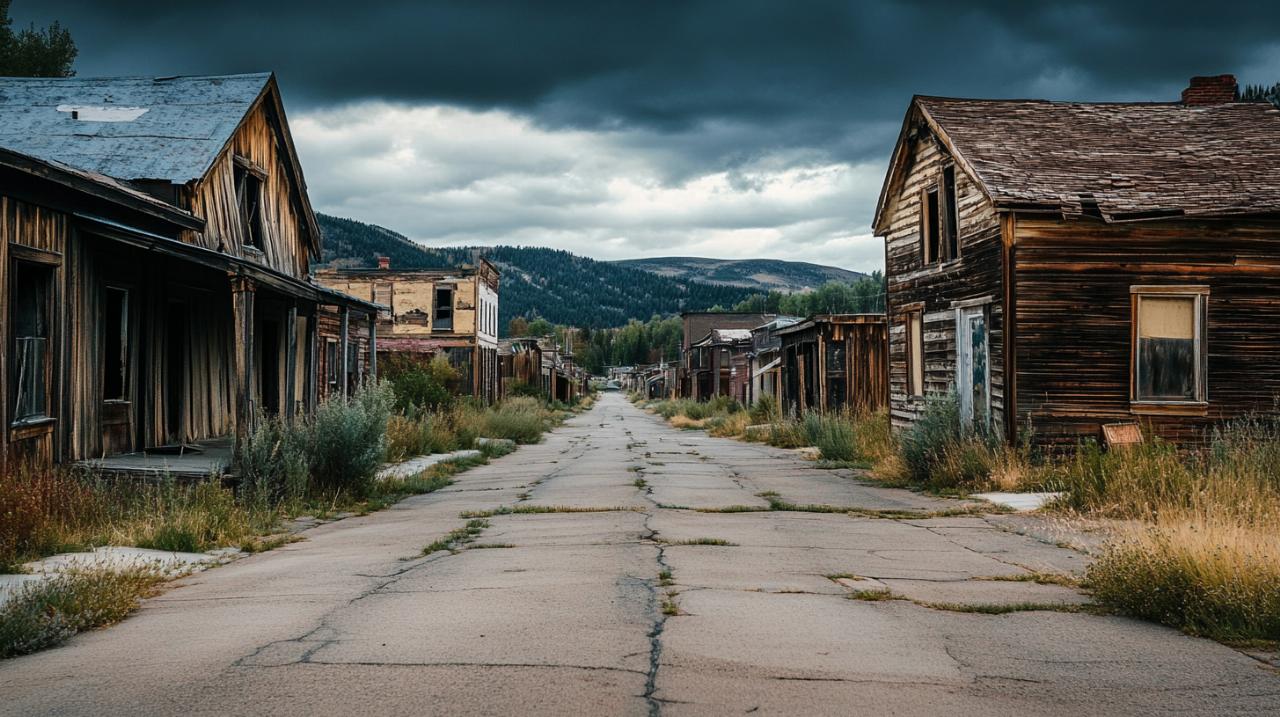
Nestled nearly eight thousand four hundred feet above sea level in the remote hills of eastern California, Bodie State Historic Park stands as one of the most authentic and evocative ghost towns in the United States. This former mining town, founded in the mid-nineteenth century and named after prospector W.S. Bodie, experienced a meteoric rise during the Gold Rush era. At its peak in eighteen seventy-nine, Bodie was home to around ten thousand residents and boasted close to two thousand buildings, including saloons, shops, churches, and homes. The town's prosperity was fuelled by the extraction of gold and silver, with production exceeding thirty-eight million pounds in value over several decades, making Bodie one of the most successful mining camps of its time.
However, the fortunes of Bodie were as fleeting as they were dramatic. By eighteen eighty-six, the population had plummeted to fewer than fifteen hundred as gold deposits dwindled and miners moved on to more promising prospects. Devastating fires in eighteen eighty-two and nineteen thirty-two destroyed much of the town, leaving less than ten per cent of the original structures standing. Today, around two hundred buildings remain, preserved in a state of arrested decay that offers visitors an unparalleled window into the rough and tumble life of the American frontier. The Methodist Church, Miners Union Hall, and the remnants of the Bodie Bank, which famously was never robbed before its destruction in the nineteen thirty-two fire, are among the notable landmarks that continue to draw history enthusiasts from around the world.
Access to Bodie requires careful planning, particularly given its remote location thirteen miles off Highway three ninety-five, with the last three miles traversing rough and unpaved roads. During the winter months, snow and ice can render the approach treacherous, often necessitating the use of snowmobiles, skis, or snowshoes for those determined to visit. The park is open year-round, though summer hours from May fifteenth to October thirty-first run from nine in the morning until six in the evening, while winter hours are shorter, from nine until three. Entrance fees are eight pounds for adults and five pounds for children aged four to seventeen, with those under three admitted free of charge. Visitors are advised to pack ample water and snacks, as no services are available within the park itself, and the high elevation and extreme weather conditions demand proper preparation.
The Bodie Foundation, a non-profit organisation dedicated to the preservation and interpretation of this historic site, plays a vital role in maintaining the town's integrity and educating the public about its rich history. The foundation offers a range of private tours, providing deeper insights into the lives of the miners, the economic forces that shaped the town, and the challenges of preservation. Among the options are the Private Town Tour, a two-hour walking exploration costing two hundred and fifty pounds for up to five participants, with an additional fifty pounds per person thereafter. The Living at the Lake Tour takes visitors on a two-hour journey around Mono Lake, while the Bodie Twilight Tours offer a unique evening perspective during the summer months, running from five until seven and costing three hundred pounds for a small group. For those seeking a more adventurous experience, the Mines, Mills, Rails and Ruins Tour is a three-hour driving excursion that requires participants to have a high-clearance, four-wheel drive vehicle. This tour, limited to fifteen people and costing one hundred pounds per person with a minimum of four hundred pounds, delves into the industrial remnants scattered across the surrounding landscape. Reservations for all tours must be made at least one week in advance, and interested parties can contact the foundation via email at [email protected].
In addition to these guided experiences, the park hosts special events such as Friends of Bodie Day and photography workshops, which celebrate the town's heritage and provide opportunities for visitors to engage more deeply with its history. Ranger-guided tours during the summer months grant access to certain areas that are otherwise off-limits, enriching the visitor experience with expert commentary and storytelling. It is essential that guests respect the Leave No Trace Principles and refrain from removing any artefacts, as the preservation of Bodie's history depends on the integrity of its remaining structures and objects.
Rhyolite and Other Western Abandoned Sites: Open-Air Museums of Frontier Life
While Bodie captures the imagination with its remarkably intact buildings and dramatic setting, other ghost towns in California and the broader American West offer equally compelling narratives of boom and bust. Rhyolite, located in Nevada near the eastern edge of Death Valley, is another striking example of a Gold Rush settlement that flourished briefly before succumbing to economic decline. Founded in the early twentieth century, Rhyolite quickly grew into a town with thousands of residents, complete with banks, schools, and a stock exchange. Yet within a decade, the gold ran out, and the population dwindled, leaving behind a haunting collection of ruins, including the skeletal remains of a three-storey bank building and the famous Bottle House, constructed from thousands of beer and liquor bottles.
These western ghost towns serve as open-air museums, where the remnants of frontier life are laid bare against the stark beauty of the desert and mountain landscapes. Visitors can wander through the husks of former commercial districts, peer into the windows of abandoned homes, and trace the outlines of forgotten dreams etched into the land. The cultural aspects and rich history tied to these locations extend beyond the physical structures to encompass stories of immigration, entrepreneurship, hardship, and resilience. The global perspective on ghost towns reveals a shared human experience of ambition and loss, as communities rise and fall in response to the vagaries of economics, natural resources, and social change.
Exploring these sites offers a tangible connection to the past, allowing visitors to reflect on the transient nature of prosperity and the enduring power of place. The preservation efforts undertaken by state parks and non-profit organisations ensure that these stories remain accessible to future generations, providing a vital educational resource and a poignant reminder of the forces that have shaped the American West. Whether walking the dusty streets of Rhyolite or marvelling at the rugged beauty of Bodie, travellers are invited to step back in time and experience the legacy of the frontier in a deeply personal and memorable way.
Planning your ghost town adventure: expert-led tours versus independent exploration
Guided Tours: Unlocking the Rich History and Cultural Context of Abandoned Places
Choosing to embark on a guided tour of a ghost town offers distinct advantages, particularly for those who wish to delve deeply into the historical and cultural narratives that define these abandoned settlements. Expert guides bring a wealth of knowledge and storytelling prowess, transforming a simple visit into an immersive educational experience. In Bodie, for example, the Bodie Foundation's private tours provide access to areas that may be restricted to the general public, along with detailed accounts of the town's rise and fall, the lives of its residents, and the technical aspects of mining operations that drove the local economy. These tours often include visits to key landmarks such as the Miners Union Hall, the Methodist Church, and the remnants of the stamp mill, where ore was processed and precious metals extracted.
Guided tours also ensure that visitors understand the broader context of the sites they are exploring. In the case of medieval French ghost towns, local historians and guides can illuminate the social, economic, and political forces that led to abandonment, from the impact of the Black Death to shifts in agricultural practices and the centralisation of power in larger urban centres. This contextual understanding enriches the experience, allowing visitors to appreciate not only the aesthetic and architectural features of these sites but also the human stories that underpin them. Furthermore, guided tours often incorporate anecdotes and lesser-known facts that bring the past to life in vivid detail, making the experience more engaging and memorable.
For those interested in Bodie, the range of tours offered caters to different interests and levels of physical ability. Walking tours such as the Private Town Tour and the Living at the Lake Tour are ideal for those who prefer a leisurely pace and wish to focus on specific aspects of the town's history or its surrounding environment. The Bodie Twilight Tours, held during the summer evenings, provide a unique perspective as the setting sun casts long shadows across the weathered buildings, creating a dramatic and evocative atmosphere. Meanwhile, the Mines, Mills, Rails and Ruins Tour appeals to adventurous travellers eager to explore the rugged backcountry and discover the scattered remnants of mining infrastructure that lie beyond the main townsite. All tours require advance reservations, typically at least one week prior, and participants should be prepared for the high elevation and potentially extreme weather conditions that characterise this remote location.
Solo Exploration: Tips for Safely Discovering Ghost Towns Around the World
For the independent traveller, solo exploration of ghost towns offers a sense of freedom and adventure that can be deeply rewarding. Walking alone through the silent streets of Bodie or the cobblestone lanes of a French medieval village allows for quiet contemplation and a personal connection with the past, unmediated by the structure and schedule of a group tour. However, visiting these sites independently requires careful preparation and a respect for both the environment and the historical integrity of the locations.
Before setting out, it is essential to research the accessibility and conditions of the site. In the case of Bodie, the journey involves a thirteen-mile drive off Highway three ninety-five, with the final three miles on rough and unpaved roads that can be challenging even for experienced drivers. A high-clearance, four-wheel drive vehicle is recommended, particularly during winter when snow and ice may render the route impassable without specialised equipment such as snowmobiles or snowshoes. Visitors should also be aware that Bodie is situated at over eight thousand three hundred feet elevation, where weather can be extreme and change rapidly, necessitating warm clothing, sun protection, and ample hydration. The absence of services within the park means that all provisions, including food, water, and emergency supplies, must be packed in advance.
Similarly, when exploring French ghost towns and medieval sites, independent travellers should take care to respect private property boundaries and adhere to any posted guidelines or restrictions. Many of these villages are located in rural or remote areas, where mobile phone coverage may be limited, so it is prudent to inform someone of your plans and expected return time. Comfortable walking shoes are essential, as cobblestone streets and uneven terrain can pose challenges, and a good map or GPS device will help navigate the often unmarked paths and alleyways.
Preservation of these historic sites depends on the responsible behaviour of visitors. The Leave No Trace Principles, which advocate for minimal impact on the environment and the preservation of cultural artefacts, are particularly relevant when exploring ghost towns. Removing items from sites such as Bodie or French medieval villages not only diminishes the experience for future visitors but also undermines the efforts of preservationists and historians who work tirelessly to maintain the integrity of these locations. Photographing the sites and taking memories home is encouraged, but physical artefacts must remain where they are found.
In addition to Bodie, the surrounding region offers a wealth of outdoor activities and natural attractions that can complement a ghost town adventure. Nearby destinations include Devils Postpile, a striking geological formation, Mono Lake with its otherworldly tufa towers, and the iconic Yosemite National Park. The towns of Mammoth Lakes, June Lake, Lee Vining, and Bridgeport provide accommodation options, dining, and additional recreational opportunities such as fishing, hiking, biking, camping, rock climbing, and kayaking. Mountain passes such as Tioga Pass, Sonora Pass, and Monitor Pass offer scenic drives and access to high-altitude wilderness areas, while lakes and rivers including Bridgeport Reservoir, Convict Lake, Grant Lake, and the Owens River attract anglers and water sports enthusiasts. Planning a multi-day itinerary that incorporates both ghost town exploration and outdoor adventure allows travellers to fully appreciate the diverse landscapes and cultural heritage of the region.
Whether choosing the insights and access provided by expert-led tours or the freedom and solitude of independent exploration, visiting ghost towns offers a profound and enriching experience. These abandoned settlements, from the modern ruins of Goussainville to the Gold Rush relics of Bodie and the medieval treasures scattered across France, invite travellers to step back in time and reflect on the forces that shape human history. By approaching these sites with respect, curiosity, and a spirit of adventure, visitors can forge a meaningful connection with the past and carry forward the stories of those who once called these places home.