When the first snowflakes begin to fall and the alpine peaks don their pristine white mantles, Switzerland transforms into a winter wonderland that beckons travellers from across the globe. This enchanting nation, nestled in the heart of Europe, offers far more than just picturesque postcard scenes. It presents a harmonious blend of thrilling outdoor pursuits, rich cultural heritage, and seamless transport connections that make exploring its diverse regions an absolute delight. From the iconic Matterhorn piercing the sky above Zermatt to the elegant slopes of St. Moritz, Switzerland invites visitors to immerse themselves in a world where tradition meets adventure, and every corner reveals a new layer of alpine magic.
Premier alpine resorts and mountain retreats
Switzerland boasts an impressive array of winter destinations, each with its own distinct character and charm. The country's reputation as a premier skiing destination is well earned, with resorts that cater to every taste and budget. Among the most celebrated is Zermatt, a car-free village that sits in the shadow of the legendary Matterhorn. This iconic peak, instantly recognisable with its pyramid-shaped summit, provides a dramatic backdrop for skiers and snowboarders who enjoy year-round glacier skiing. The slopes here are renowned for their quality and variety, offering everything from gentle beginner runs to challenging off-piste terrain that attracts seasoned enthusiasts from around the world.
Another jewel in Switzerland's winter crown is Verbier, a resort famous for its expansive off-piste opportunities. With over 400 kilometres of marked slopes, Verbier has carved out a reputation as a haven for those seeking adrenaline-fuelled descents through untouched powder. The resort's lively après-ski scene and cosmopolitan atmosphere add to its appeal, making it a favourite among younger crowds and adventure seekers. Meanwhile, Grindelwald captivates visitors with its stunning views of the Eiger and neighbouring peaks. This picturesque village combines traditional Swiss charm with modern amenities, offering a range of accommodation options from cosy chalets to luxurious hotels.
St. moritz and davos: luxury meets alpine tradition
St. Moritz stands as a symbol of alpine elegance and sophistication. This resort has been synonymous with luxury since the 19th century, when it first attracted European aristocracy to its sunny slopes and mineral springs. Today, St. Moritz continues to dazzle visitors with its unique blend of world-class skiing, exclusive boutiques, and gourmet dining. The resort enjoys an exceptionally sunny climate compared to other alpine destinations, and its calendar of events includes prestigious competitions and cultural gatherings. One of the more unusual attractions is skeleton riding on the Cresta Run, a thrilling experience that allows brave souls to hurtle headfirst down an ice track at breakneck speeds.
Not far away lies Davos, home to Switzerland's largest ski area. This sprawling resort offers an impressive network of trails that cater to all skill levels, from gentle nursery slopes to challenging black runs. Davos has a rich history as a health resort and conference venue, yet it has never lost its focus on winter sports. The town's elevation ensures reliable snow cover throughout the season, and its extensive facilities include modern lift systems, ski schools, and equipment rental services. The cost of enjoying these slopes is generally competitive, with ski passes averaging between 50 and 70 euros per day, whilst accommodation ranges from budget-friendly hostels at around 30 euros per night to opulent hotels that command several hundred euros.
Exploring Val d'Hérens and the Aletsch Arena
Whilst the famous names dominate headlines, Switzerland is also home to lesser-known gems that offer equally rewarding experiences without the crowds or price tags. Val d'Hérens, for instance, provides an authentic taste of alpine life with its unspoilt villages and extensive network of trails. This valley retains much of its traditional character, with wooden chalets and local customs still very much alive. Similarly, the Aletsch Arena surrounds the magnificent Aletsch Glacier, a UNESCO World Heritage site that is the longest glacier in the Alps. Visitors to this region can combine skiing with glacier hiking and snowshoeing, exploring a landscape that feels both ancient and ever-changing.
Other budget-conscious options include La Tzoumaz, a family-friendly resort that offers excellent value for money, and Arosa, a sunny plateau resort known for its relaxed atmosphere and diverse winter activities. The Lower Engadine region, with its preserved Romansh villages and authentic Swiss culture, provides a glimpse into a Switzerland that has changed little over the centuries. Here, visitors can enjoy not only skiing but also cross-country trails, winter walking paths, and visits to historic sites such as the Grand St Bernard Hospice, a monastery that has offered shelter to travellers for over a millennium.
Navigating Switzerland with the Swiss Travel Pass
One of Switzerland's greatest assets is its transport infrastructure, which makes travelling between destinations remarkably simple and enjoyable. The Swiss Travel Pass stands out as an invaluable tool for winter visitors, offering unlimited travel on the country's extensive network of trains, buses, and boats. This pass opens up a world of possibilities, allowing travellers to hop from one alpine resort to another, explore charming lakeside towns, and venture into remote valleys without the hassle of purchasing individual tickets or navigating unfamiliar roads. The system is designed with efficiency and comfort in mind, ensuring that even journeys through mountainous terrain are smooth and scenic.
The flexibility of the Swiss Travel Pass extends beyond mere convenience. Holders of the pass also benefit from reduced fares on many mountain railways and cable cars, as well as free admission to numerous museums and cultural attractions. This comprehensive approach to travel planning means that visitors can maximise their time and budget, focusing on experiences rather than logistics. The pass is available in various durations, from three days to a full month, making it suitable for both short breaks and extended holidays. For those planning to explore multiple regions, the pass represents excellent value, especially when combined with early booking discounts that can reach 20 to 30 per cent on multi-day ski passes.
Accessing picturesque landscapes and national parks
Switzerland's natural beauty extends far beyond its ski slopes. The country is home to several national parks and protected areas that showcase the diversity of alpine ecosystems. With the Swiss Travel Pass, visitors can easily access these pristine landscapes, from the rugged peaks of the Bernina Range to the serene waters of Lake Geneva. The Swiss Alps Jungfrau-Aletsch region, a UNESCO World Heritage site, offers some of the most spectacular mountain scenery in Europe, with dramatic glaciers, towering peaks, and deep valleys that have inspired generations of artists and writers.
Winter is an ideal time to explore these landscapes, as the snow transforms familiar terrain into something entirely new and magical. Cross-country skiing enthusiasts will find over 5,000 kilometres of groomed trails winding through forests, meadows, and along frozen lakeshores. These trails offer a quieter, more meditative form of winter sport, allowing participants to immerse themselves in the natural surroundings whilst getting excellent exercise. Many routes pass through traditional villages where visitors can warm up with a cup of hot chocolate or a hearty meal featuring local specialities.
Journey through glaciers, lakes and alpine villages
Among the most celebrated train journeys in Switzerland is the Glacier Express, a panoramic route that connects St. Moritz with Zermatt. This eight-hour journey crosses 291 bridges and passes through 91 tunnels, offering uninterrupted views of some of the most dramatic alpine scenery imaginable. The train's large windows ensure that every passenger has a front-row seat to the spectacle, which includes towering viaducts, deep gorges, and pristine snowfields stretching to the horizon. An eight-day package that includes this journey can be booked for around 1,890 Swiss francs, representing a comprehensive winter experience that combines luxury travel with exceptional sightseeing.
The Grand Train Tour of Switzerland extends this concept even further, offering a 1,280-kilometre route that encompasses the country's most beautiful regions. This circular journey can be undertaken in sections or as a continuous adventure, with travellers free to stop and explore wherever their interests take them. Current promotional offers include a 10 per cent anniversary discount on Grand Train Tour trips, valid for travel between April and December 2026 when booked with the promocode GTTOS10 before the end of April 2026. Such incentives make it even more attractive to plan an extended Swiss adventure that combines mountain sports with cultural exploration.
Winter sports and cultural heritage experiences
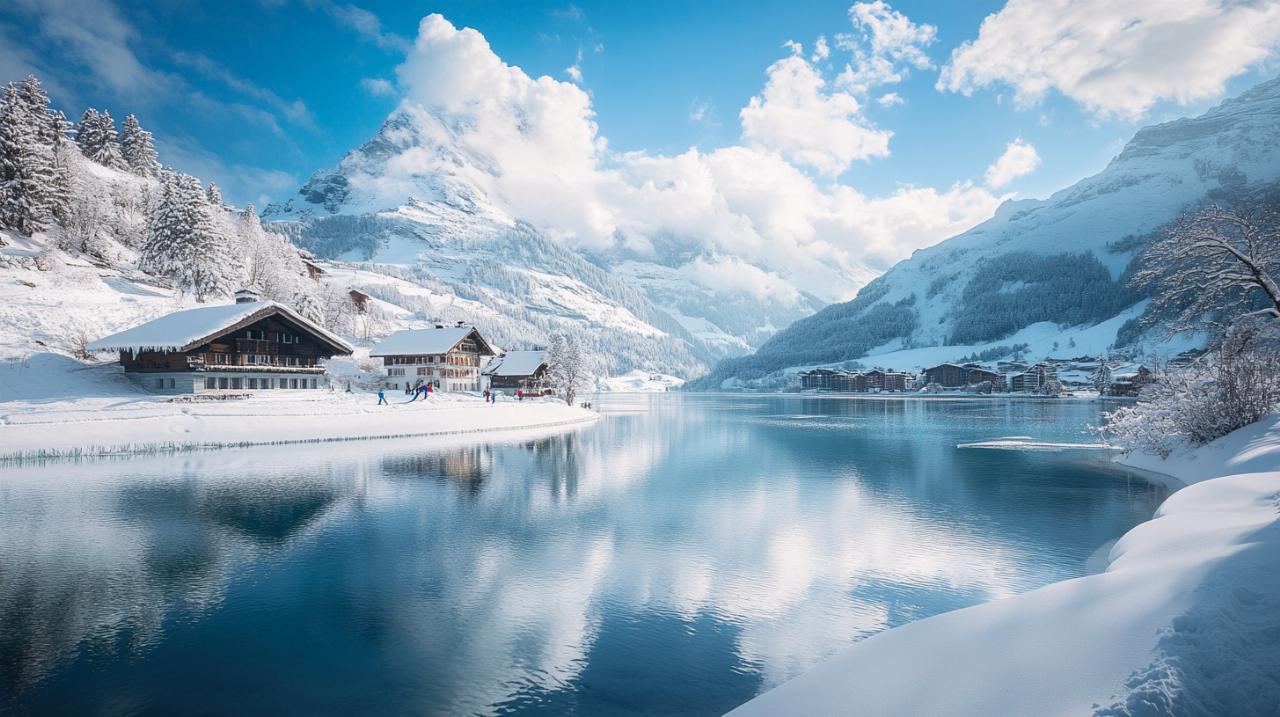
Whilst skiing and snowboarding dominate the winter sports scene, Switzerland offers a wealth of other activities that appeal to visitors with varied interests and abilities. Snowshoeing has gained popularity in recent years, providing an accessible way to explore winter landscapes without the need for extensive technical skills. Guided snowshoe tours are available in most mountain regions, taking participants through forests, across frozen streams, and up to viewpoints that offer breathtaking panoramas. These excursions often include stops at mountain huts where traditional Swiss fare is served, creating a perfect blend of physical activity and cultural immersion.
For those seeking instruction or improvement in their skiing technique, Switzerland's ski schools are among the finest in the world. Group lessons typically cost between 40 and 60 euros, providing excellent value for those who enjoy learning alongside others. Private lessons, whilst more expensive at 80 to 120 euros per hour, offer personalised attention and faster progress, particularly for beginners or those looking to master specific techniques. Many resorts also offer specialised courses in off-piste skiing, avalanche safety, and ski touring, catering to more adventurous spirits who wish to venture beyond marked trails.
Skiing, snowboarding and mountain adventures
The diversity of Switzerland's skiing terrain is one of its greatest strengths. Davos, with its vast network of runs, accommodates everyone from tentative beginners to expert free-riders seeking challenging couloirs and powder fields. The resort's modern lift infrastructure minimises queuing times, allowing skiers to maximise their time on the slopes. Similarly, Verbier's legendary off-piste routes attract thrill-seekers from around the globe, with guides leading expeditions into wild terrain where fresh tracks are the norm rather than the exception.
Equipment rental is readily available throughout Switzerland, with most resorts offering comprehensive packages that include skis or snowboards, boots, and poles. Daily rental rates typically range from 25 to 35 euros, making it more economical to rent rather than purchase equipment for a week-long holiday. This convenience extends to storage facilities, with many hotels and apartment complexes offering secure ski rooms and boot driers. The practical arrangements are designed to remove any barriers to enjoying the mountains, allowing visitors to focus entirely on their chosen activities.
Christmas markets, local cuisine and swiss traditions
Switzerland's winter appeal extends well beyond its sporting opportunities. The country's cities and towns come alive during the festive season with enchanting Christmas markets that blend commerce with culture. These markets, found in destinations such as Zurich, Basel, and Montreux, feature wooden chalets selling handcrafted gifts, seasonal decorations, and regional delicacies. The aroma of mulled wine and roasted chestnuts fills the air, whilst live music and performances create a warm, convivial atmosphere despite the winter chill. These markets offer a glimpse into Swiss traditions that have been passed down through generations, from intricate woodcarvings to elaborate gingerbread creations.
Swiss cuisine, hearty and comforting, is perfectly suited to the winter season. Fondue, perhaps the most iconic Swiss dish, brings people together around a bubbling pot of melted cheese, creating a communal dining experience that warms both body and spirit. Raclette, another cheese-based speciality, involves scraping melted cheese onto potatoes, pickles, and cured meats, whilst rösti, a crispy potato pancake, serves as a satisfying accompaniment to many meals. Mountain restaurants throughout the ski areas serve these traditional dishes alongside international options, ensuring that lunchtime on the slopes is as memorable as the skiing itself. Expect to pay around 15 to 25 euros for a substantial meal at altitude, a reasonable price for the quality and setting.
Cultural exploration in Switzerland is not limited to culinary experiences. The country's museums, galleries, and historic sites remain open throughout winter, offering indoor alternatives when the weather turns particularly harsh. Many Swiss cities, such as Geneva, Lausanne, and Bern, combine historic old towns with vibrant contemporary cultural scenes. The Swiss Travel Pass includes free admission to hundreds of museums, from world-class art galleries to quirky local collections that celebrate everything from chocolate to alpine farming traditions. This cultural richness ensures that even non-skiers can find plenty to occupy their time during a Swiss winter holiday.
Planning a winter trip to Switzerland requires some foresight, particularly during peak periods. Booking accommodation three to six months in advance is advisable for the Christmas and New Year period, as well as for February half-term, when demand is highest. Those who book early can also take advantage of significant discounts on ski passes and accommodation packages. Travel insurance that specifically covers winter sports is essential, as medical treatment following skiing injuries can be expensive without proper cover. A valid European driving licence is required for those considering car rental, though Switzerland's public transport network is so comprehensive that many visitors find a car unnecessary.
The Swiss Franc remains the currency, with current exchange rates making it roughly equivalent to the US Dollar, slightly more than the Euro, and stronger than the Pound. Whilst Switzerland has a reputation for being expensive, careful planning and the use of passes and promotional offers can make a winter holiday surprisingly affordable. Budget options exist in most regions, from hostels and guesthouses to self-catering apartments that allow visitors to prepare their own meals. The key is to research thoroughly and book in advance, taking advantage of the wealth of information available through official tourism websites such as myswitzerland.com, which offers multilingual support in German, French, Italian, Romansh, and English.
Looking ahead to the 2026 season, Switzerland promises an array of special events and offers. The IIHF Ice Hockey Championship, scheduled from mid-May to the end of May 2026, will bring international sporting excitement to the country, whilst concerts such as OneRepublic's performance in early May will add cultural variety to the winter and spring calendar. The Digital Swiss Coupon Pass, included with many bookings for 2026, provides exclusive discounts at attractions and retailers throughout the country, adding further value to any visit. Whether seeking the thrill of carving fresh tracks down a pristine slope, the serenity of a snowshoe trek through silent forests, or the warmth of a traditional Swiss meal shared with new friends, Switzerland in winter offers experiences that linger long after the snow has melted.