
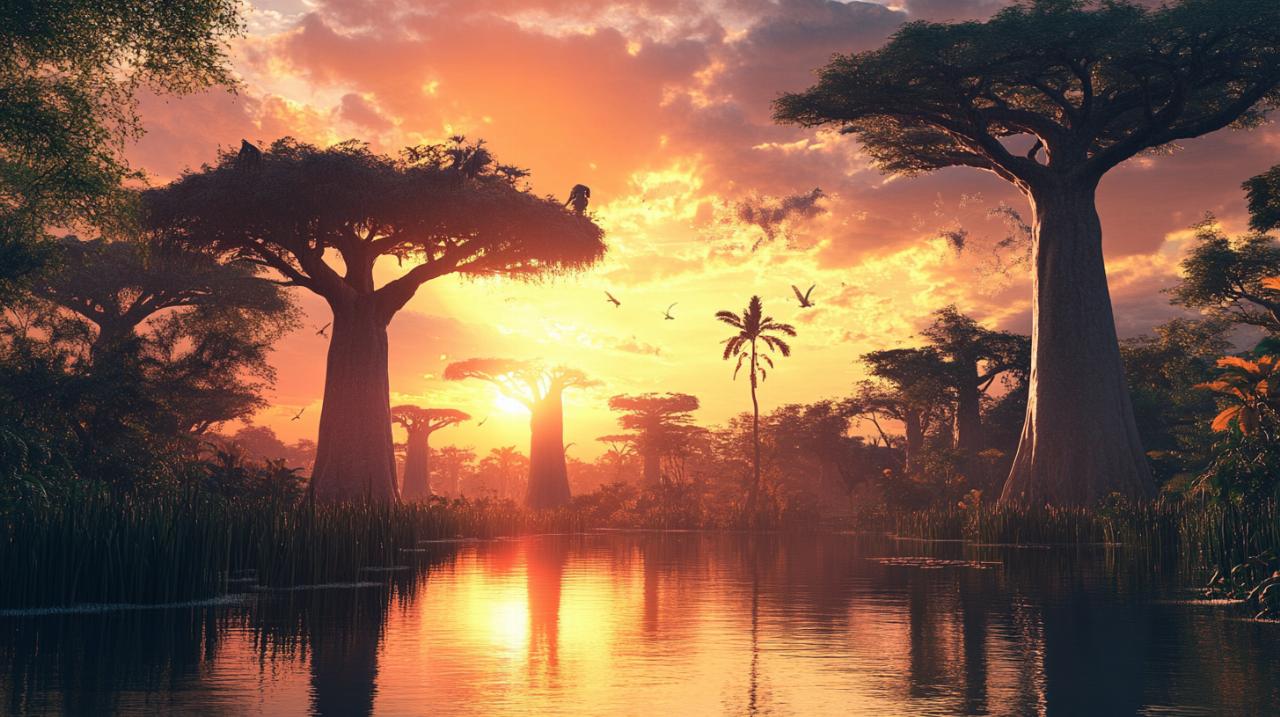
Madagascar, the jewel of the Indian Ocean, captivates the imagination with its otherworldly landscapes, lemurs leaping through ancient forests, and baobab trees standing sentinel against fiery sunsets. Around 300,000 tourists venture to this island nation each year, drawn by promises of adventure and biodiversity found nowhere else on Earth. Yet, beneath the allure of exotic wildlife and pristine beaches lies a more nuanced reality. For those contemplating a journey to this extraordinary destination, understanding the safety landscape is not merely prudent but essential. Recent travel advisories highlight certain risks, particularly in urban centres and specific regions, while also confirming that the majority of visits proceed without incident. Balancing caution with curiosity allows travellers to experience Madagascar's wonders while minimising potential pitfalls.
Understanding Security Risks in Madagascar's Urban and Rural Areas
Urban insecurity: what travellers should know about city safety
Madagascar's cities pulse with energy, colour, and commerce, but they also present challenges that require awareness and preparation. Antananarivo, the bustling capital, serves as the gateway for most international visitors. Within its vibrant streets, however, certain neighbourhoods demand heightened vigilance. Areas such as Analakely and Avenue de l'Indépendance are known hotspots where petty crime, including pickpocketing and bag snatching, occurs with greater frequency. Travellers should avoid displaying valuables such as expensive cameras, jewellery, or large sums of money, as these can attract unwanted attention. Carrying only the cash needed for immediate expenses reduces the risk of significant loss should an unfortunate encounter occur.
Navigating urban areas after dark introduces additional concerns. Many roads outside the city centres become unsafe once the sun sets, and the risk of opportunistic crime increases. Using registered taxis or arranging hotel transfers provides a safer alternative to wandering unfamiliar streets at night. These precautions are not meant to instil fear but rather to encourage sensible behaviour that aligns with local conditions. In cities like Toliara, also known as Tuléar, similar caution applies. The coastal town attracts visitors heading to nearby beaches and reserves, yet it too has areas where crime is more prevalent. Staying within well-travelled zones and seeking advice from local guides or hotel staff can help visitors navigate these environments more securely.
Rural Regions and High-Risk Zones to Avoid During Your Visit
Beyond the urban sprawl, Madagascar's rural expanses offer breathtaking vistas and encounters with wildlife that leave lasting impressions. However, these remote areas come with their own set of challenges. Government advisories consistently warn against travel to certain regions due to banditry, poor infrastructure, or political instability. The Anosy Region, for instance, has been flagged as a high-risk area where travellers should exercise extreme caution or avoid altogether. Similarly, routes along the Tsiribihina River and certain inland roads can become hazardous, particularly when travelled alone or after sunset.
Night travel in remote areas is strongly discouraged. The combination of poorly maintained roads, limited lighting, and the potential for roadblocks or criminal activity creates an environment where risks multiply. Travelling in groups rather than solo significantly enhances safety, as does hiring local guides who understand the terrain and cultural nuances. These guides not only provide practical assistance but also serve as intermediaries who can navigate interactions with local communities, respecting traditions and customs that vary across the island. Following local advice and avoiding shortcuts through unfamiliar territory are simple yet effective strategies. Many inland roads, while offering scenic routes, lack the infrastructure and security presence that travellers might expect, making official tours and organised excursions the wiser choice for exploring Madagascar's hinterlands.
Health Precautions and Seasonal Considerations for Safe Travel
Essential vaccinations and protection against local health threats
Physical safety is only one dimension of travel security; health preparedness is equally vital. Madagascar presents several health challenges that require proactive measures. Vaccinations against diseases such as rabies and typhoid are strongly recommended before departure. Rabies, in particular, poses a risk due to the presence of stray dogs and other animals that may carry the virus. Travellers planning to engage in wildlife viewing or trekking through rural areas should ensure they are up to date with their immunisations and consider pre-exposure rabies vaccination for added protection.
Malaria remains a significant concern across much of Madagascar, especially in coastal regions and during the rainy season. Prophylactic medication is essential for those visiting endemic areas, and travellers should consult with a healthcare provider well in advance of their trip to determine the most appropriate regimen. Beyond medication, practical steps such as using insect repellent, sleeping under mosquito nets, and wearing long sleeves and trousers during dawn and dusk hours when mosquitoes are most active can dramatically reduce the risk of bites. Sturdy shoes and protective clothing are not only advisable for health reasons but also enhance comfort and safety during treks through forests and wetlands where other hazards, such as thorny vegetation or uneven ground, are common.
Navigating the Rainy Season: Flooding and Disease Prevention
Madagascar's climate is characterised by distinct wet and dry seasons, and the timing of a visit can significantly influence both safety and enjoyment. The rainy season, stretching from December to April, brings heavy downpours, cyclones, and widespread flooding. These weather events can disrupt travel plans, damage infrastructure, and increase the incidence of waterborne diseases. Flooding is particularly severe in low-lying areas and can render roads impassable, isolating regions and complicating evacuation or medical assistance if needed.
Cyclones are another hazard during this period, with strong winds and torrential rain posing risks to both property and personal safety. Travellers visiting during these months should remain vigilant, monitor weather forecasts, and heed warnings issued by local authorities. In contrast, the dry season from May to November offers more favourable conditions. Roads are generally more accessible, the risk of flooding is minimal, and the incidence of certain diseases decreases. This period is widely considered the best time to visit Madagascar for those prioritising safety and ease of travel. However, even during the dry season, staying informed about regional conditions and potential hazards is essential. Flexibility in itinerary planning and a willingness to adapt to changing circumstances can make the difference between a memorable adventure and a fraught experience.
Practical safety tips: insurance, guides, and staying informed
Why Travel Insurance and Official Guides Are Crucial in Madagascar
Preparing for a journey to Madagascar extends beyond packing sunscreen and a camera. Travel insurance is an indispensable component of responsible travel, providing a safety net for medical emergencies, trip cancellations, or unforeseen incidents such as theft or natural disasters. Madagascar's healthcare infrastructure, particularly outside major cities, can be limited, and the cost of medical evacuation to facilities in neighbouring countries or further afield can be substantial. Comprehensive travel insurance mitigates these risks, offering peace of mind and financial protection.
Official guides play a similarly critical role, especially for those venturing into rural or ecologically sensitive areas. These professionals bring local knowledge, language skills, and an understanding of cultural norms that enhance both safety and the quality of the experience. Whether exploring the otherworldly limestone formations of Tsingy de Bemaraha or the lush rainforests of Ranomafana, a guide can navigate logistical challenges, identify potential hazards, and enrich the journey with insights into flora, fauna, and local history. Organised tours, which range in price from approximately $2,045 to $7,545 per person depending on duration and destinations, often include experienced guides as part of the package. Popular itineraries such as an 11-day family adventure tour or a 24-day grand discovery of the island offer structured yet immersive experiences that balance exploration with security.
Staying Safe in Markets and Crowded Spaces: Practical Advice for Tourists
Markets and crowded public spaces are among the most vibrant and culturally rich environments Madagascar has to offer. The sights, sounds, and aromas of a bustling market provide a sensory feast and an opportunity to engage with local life. However, these settings also present opportunities for petty crime. Pickpockets often operate in such environments, targeting distracted tourists or those carrying bags and backpacks that are easily accessible. Keeping valuables secure, using cross-body bags, and remaining aware of one's surroundings can significantly reduce the likelihood of theft.
Travellers should consider leaving expensive items, such as high-end cameras or large amounts of cash, in secure hotel safes when not in use. When navigating crowded areas, it is advisable to keep only the cash needed for immediate purchases and to avoid displaying wealth through jewellery or electronic devices. Simple measures such as these, combined with a calm and confident demeanour, help travellers blend in and avoid becoming targets. Staying informed is another cornerstone of safe travel. Government advisories from agencies such as the Foreign, Commonwealth & Development Office or equivalent bodies provide up-to-date information on security conditions, health alerts, and areas to avoid. Reliable travel forums and platforms like SafariBookings, which features over 164,000 user reviews, offer firsthand accounts and practical tips from fellow travellers. In the event of an emergency, knowing how to contact local police, who can be reached by dialling 117, or the nearest embassy is essential. Having these numbers readily accessible and understanding the local emergency response system can expedite assistance when it is most needed.
Wildlife viewing, one of Madagascar's main attractions, is generally safe, with no dangerous large predators threatening visitors. The island's unique fauna, from playful lemurs to colourful chameleons, can be observed with minimal risk when appropriate precautions are taken. Wearing sturdy footwear, applying insect repellent, and following the guidance of park rangers or tour guides ensures that encounters with nature remain both safe and respectful. Madagascar's beauty and biodiversity are undeniable, and while certain risks exist, they are manageable with informed preparation and sensible behaviour. The island welcomes hundreds of thousands of visitors each year, the vast majority of whom enjoy trouble-free trips. By understanding the specific challenges presented by urban crime, health threats, seasonal weather, and regional instability, travellers can make informed decisions that enhance their safety without diminishing the richness of their experience. Whether marvelling at the iconic Baobab Alley, trekking through the rainforests of Ranomafana, or simply soaking in the warmth of Malagasy hospitality, a well-prepared traveller can navigate Madagascar's complexities and return home with memories of an extraordinary adventure.