
Winter sports enthusiasts often find themselves at a crossroads when deciding between cross-country skiing and alpine skiing. Both disciplines offer unique challenges and rewards, yet they differ fundamentally in terrain, technique, and physical demands. Understanding these distinctions is essential for anyone looking to pursue competitive winter sports or simply enjoy the snowy landscapes in a way that suits their personal preferences and fitness goals.
Understanding the Fundamental Distinctions Between Cross-Country and Alpine Skiing
The most striking difference between cross-country and alpine skiing lies in the terrain each discipline demands. Cross-country skiing, often referred to as Nordic skiing, takes place on flat or gently rolling landscapes. Skiers traverse groomed trails or venture into backcountry settings, relying on a combination of gliding and hiking-like movements to cover long distances. In contrast, alpine skiing is synonymous with downhill descents on steep, groomed slopes. The focus here is on navigating challenging inclines with speed and precision, often with the aid of ski lifts that transport skiers to the top of the mountain.
Terrain and movement: flat trails versus downhill descents
Cross-country skiing embraces the natural contours of the land, encouraging skiers to move across mostly flat terrain with occasional gentle slopes. This approach allows for a continuous, rhythmic motion that can be sustained over considerable distances. Races in this discipline can extend up to fifty kilometres, demanding exceptional stamina and endurance. Alpine skiing, on the other hand, is all about the descent. Skiers face steep slopes where gravity plays a significant role, and the objective is to maintain control while descending at high speeds. The terrain is specifically designed for skiing, with groomed runs that cater to varying levels of difficulty.
The Core Techniques: Gliding and Endurance Versus Speed and Control
The techniques employed in cross-country skiing are fundamentally different from those used in alpine skiing. Cross-country skiers use a combination of leg power and pole work to propel themselves forward, creating a gliding motion that is both efficient and meditative. The skate skiing variant within Nordic skiing adds a dynamic element, requiring skiers to push off with alternating legs in a manner reminiscent of ice skating. This discipline is as much about maintaining a steady pace as it is about enduring the physical demands of long-distance travel. Alpine skiing, conversely, prioritises control and the execution of technical turns. Skiers must react quickly to changing terrain and conditions, using their entire body to navigate sharp corners and steep descents. The thrill of alpine skiing comes from the adrenaline rush of high speeds and the technical challenges of mastering complex manoeuvres.
Equipment and Ski Design: Tailored Gear for Different Disciplines
The equipment used in cross-country and alpine skiing is specifically designed to meet the unique demands of each discipline. Over the years, advancements in technology have enhanced both control and performance, allowing skiers to push the boundaries of what is possible on snow. However, the fundamental differences in gear remain a clear indicator of the distinct nature of each sport.
Cross-Country Skis: Lightweight and Narrow for Distance Travel
Cross-country skis are characterised by their lightweight and narrow design, which facilitates efficient movement over long distances. These skis are longer and more flexible than their alpine counterparts, allowing for a smooth gliding motion on flat or gently undulating terrain. The boots used in cross-country skiing are lighter and more flexible as well, providing freedom of movement that is essential for the hiking-like motion of the sport. Bindings in cross-country skiing are designed to allow the heel to lift, enabling the forward propulsion that defines the discipline. This setup is ideal for covering extensive distances without the need for ski lifts, making cross-country skiing a more self-sufficient and accessible option for those seeking a whole body workout in serene, quiet landscapes.
Alpine Skis: Wider and Shorter for Stability on Steep Slopes
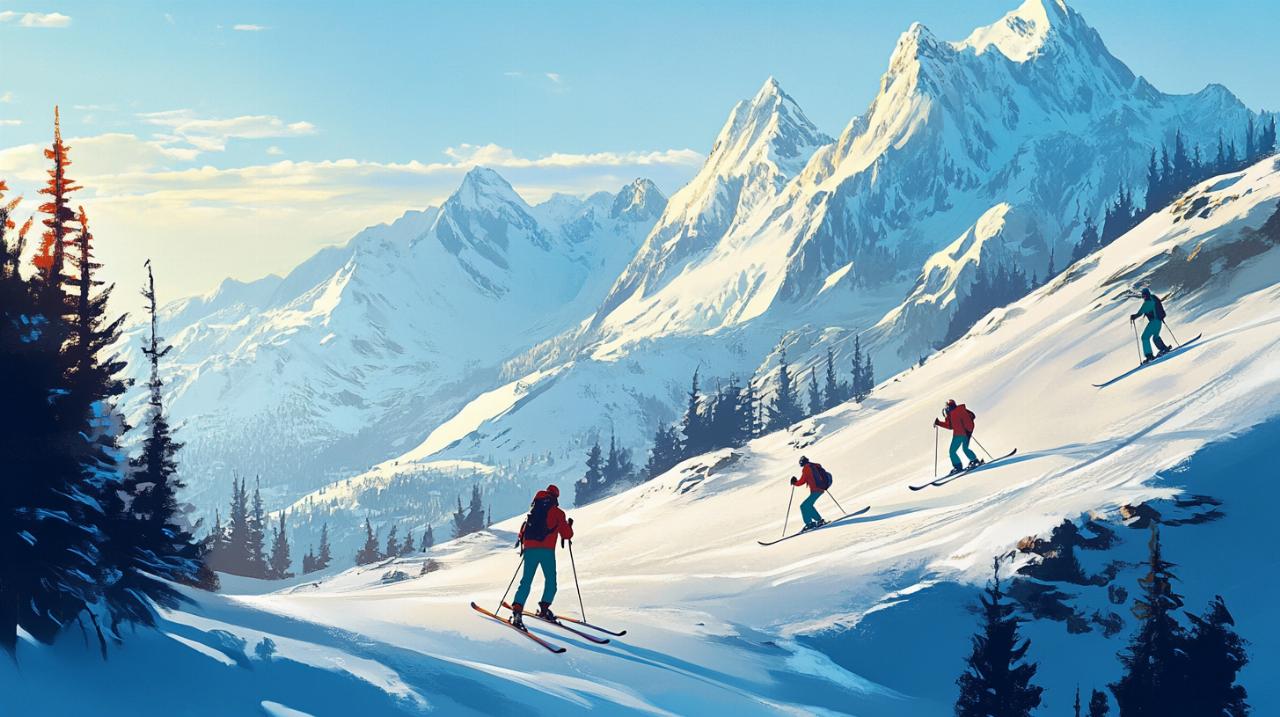
Alpine skis are shorter and wider than cross-country skis, designed to provide stability and control on steep slopes. The skis feature metal edges that grip the snow, allowing skiers to carve precise turns and maintain control at high speeds. Alpine ski boots are significantly stiffer and more supportive, securing the foot in place to transfer power effectively and protect against the forces encountered during rapid descents. The bindings in alpine skiing are sturdy and designed to release in the event of a fall, reducing the risk of injury. This equipment is specifically tailored for the demands of downhill skiing, where the focus is on speed, technical turns, and the ability to navigate challenging terrain with confidence and precision.
Training Approaches and Competition Formats in Winter Sports
The training regimens and competition formats for cross-country and alpine skiing reflect the distinct physical and technical demands of each discipline. Whether you are drawn to the endurance challenges of long-distance skiing or the intense bursts of speed required for downhill racing, your approach to training and competition will differ significantly.
Building endurance for cross-country skiing events
Cross-country skiing is often regarded as one of the leading aerobic exercises, engaging all major muscle groups and demanding exceptional cardiovascular fitness. Training for cross-country skiing focuses on building endurance and stamina, with skiers spending long hours on groomed trails or in backcountry settings to develop the steady pacing necessary for races that can extend over many kilometres. The sport requires good upper body strength to effectively use poles for propulsion, as well as leg strength to maintain the gliding motion over extended periods. Fitness training for cross-country skiing emphasises continuous activity and the development of a whole body workout that prepares athletes for the sustained effort required in competition. Nutrition also plays a critical role, with skiers advised to eat a balanced meal before heading out and to bring energy snacks to maintain stamina throughout their training sessions or races. The psychological and spiritual well-being benefits of skiing in quiet, natural landscapes further enhance the appeal of cross-country skiing as a holistic outdoor experience.
Developing Precision and Speed for Alpine Racing Disciplines
Alpine skiing demands a different approach to training, with an emphasis on quick reactions, coordination, and the ability to execute technical turns at high speeds. Training regimens for alpine skiing involve short, intense bursts of activity that simulate the demands of racing down steep slopes. Skiers work on developing leg strength and overall muscle groups to withstand the forces encountered during rapid descents, as well as the coordination required to navigate complex courses. Proper stance and foot placement are crucial in alpine skiing, with athletes spending considerable time refining their technique to achieve optimal control and speed. Safety is a paramount concern, as the high speeds and challenging terrain inherent in alpine skiing increase the risk of injury. As such, skiers are trained to respect right of way on the slopes, maintain awareness of their surroundings, and use equipment that offers protection without compromising performance. The adrenaline and technical challenges of alpine skiing make it a thrilling pursuit, attracting those who crave the excitement of downhill racing and the satisfaction of mastering demanding runs.
Both cross-country and alpine skiing offer unique and rewarding experiences, each with its own set of challenges and benefits. Whether you prefer the endurance and tranquillity of Nordic skiing or the speed and adrenaline of downhill descents, there is no wrong choice. The decision ultimately depends on your personal preferences, fitness goals, and the type of outdoor experience you seek. With improved equipment and a growing appreciation for the psychological and spiritual well-being that comes from spending time in snowy landscapes, both disciplines continue to attract enthusiasts from around the world. The cost comparison also plays a role, with alpine skiing generally more expensive due to the need for ski passes and lift access, while cross-country skiing offers a more affordable option with trail fees ranging modestly. Regardless of the path you choose, both styles of skiing promise a fulfilling and invigorating connection with the winter environment.