Senegal stands as one of West Africa's most captivating nations, a place where ancient traditions pulse through modern streets and ancestral wisdom finds expression in contemporary life. At the heart of this vibrant country lies the Wolof people, whose cultural legacy shapes the very essence of Senegalese identity. From the bustling markets of Dakar to the quiet rural villages where millet grows under the African sun, Wolof customs, language, and artistic traditions weave a rich tapestry that connects past and present. To explore Senegal through the lens of Wolof culture is to embark on a journey that reveals not only the nation's heritage but also the enduring spirit of a people who have preserved their traditions whilst embracing the challenges and opportunities of the modern world.
The wolof people: guardians of senegalese cultural identity
Historical Roots and Social Structure of the Wolof Community
The Wolof people have long stood as cultural pillars throughout Senegal, the Gambia, and parts of Mauritania, their influence extending far beyond their numbers. Wolof society developed a sophisticated social framework that continues to inform relationships and community dynamics today. Traditionally, this structure comprised distinct castes known as geer, nyeenyo, and jaam, each with specific roles and responsibilities within the community. The geer represented the freeborn class, whilst the nyeenyo encompassed artisans and craftspeople whose skills were essential to daily life. The jaam occupied a different position within this hierarchy, and together these groups formed an intricate social fabric that governed everything from marriage practices to economic activities.
Marriage within Wolof communities has historically followed endogamous patterns, with unions typically occurring within the same social stratum to maintain cultural continuity. Polygyny has been a common practice, reflecting both traditional values and practical considerations in agricultural societies. Interestingly, divorce has also been relatively common, suggesting a pragmatic approach to marital relationships that differs from some Western assumptions about traditional African societies. The Wolof people have primarily sustained themselves through farming and artisanal crafts, cultivating millet as a staple crop whilst developing peanuts into a significant cash crop during and after the colonial period. This agricultural foundation has shaped settlement patterns, seasonal rhythms, and even culinary traditions that remain central to Wolof identity.
Language as a Living Bridge Between Generations
The Wolof language serves as perhaps the most vital element binding communities across generations and geographical boundaries. As the most widely spoken language in Senegal, with approximately forty per cent of the population speaking it natively, Wolof functions as a lingua franca that transcends ethnic divisions and facilitates communication throughout the nation. Unlike many African languages, Wolof is not tonal, making it somewhat more accessible to learners whilst retaining its distinctive character. Belonging to the Senegambian branch of the Niger-Congo language family, Wolof shares linguistic roots with neighbouring languages whilst maintaining its unique vocabulary and grammatical structures.
The language carries within it centuries of wisdom, humour, and cultural nuance that shape how Wolof speakers understand the world. Proverbs and oral traditions passed down through generations find their most natural expression in Wolof, capturing philosophical insights and practical advice in elegant phrases. The language also embodies the principle of teranga, the legendary Senegalese hospitality that has become a cornerstone of national identity. This concept of warm, generous welcome cannot be fully translated into other tongues; it must be experienced through Wolof expressions and the cultural practices they describe. As younger generations navigate between traditional values and global influences, the Wolof language remains a vital thread connecting them to their heritage whilst adapting to express contemporary realities.
Traditional Ceremonies and Artistic Expression in Wolof Society
Mbalax Music and the Rhythmic Soul of Senegal
Music pulses through Wolof culture with an intensity that transforms sound into something approaching spiritual experience. Mbalax, the musical style that has become synonymous with Senegalese identity, emerged from the fusion of traditional Wolof rhythms with contemporary influences. At its foundation lies sabar drumming, an ancestral art form that communicates through complex polyrhythms and patterns passed down through generations of master drummers. The sabar itself is more than an instrument; it is a voice that speaks of history, celebration, and community bonds that transcend individual experience.
Mbalax performances create spaces where tradition and innovation meet, where dancers respond to drummers in conversations without words, and where audiences become participants in collective cultural expression. The music has spread far beyond Senegal's borders, carrying Wolof artistic sensibilities to international stages whilst remaining deeply rooted in local traditions. Griots, the traditional storytellers and historians of Wolof society, have adapted their ancient role to modern contexts, using music to preserve memories and transmit cultural knowledge. These artists serve as living libraries, their performances connecting contemporary audiences with ancestors whose stories might otherwise fade into silence. Through mbalax and sabar drumming, Wolof communities maintain their cultural heartbeat, ensuring that younger generations inherit not just melodies but entire worldviews embedded within musical traditions.
Ancestral rituals and contemporary celebrations
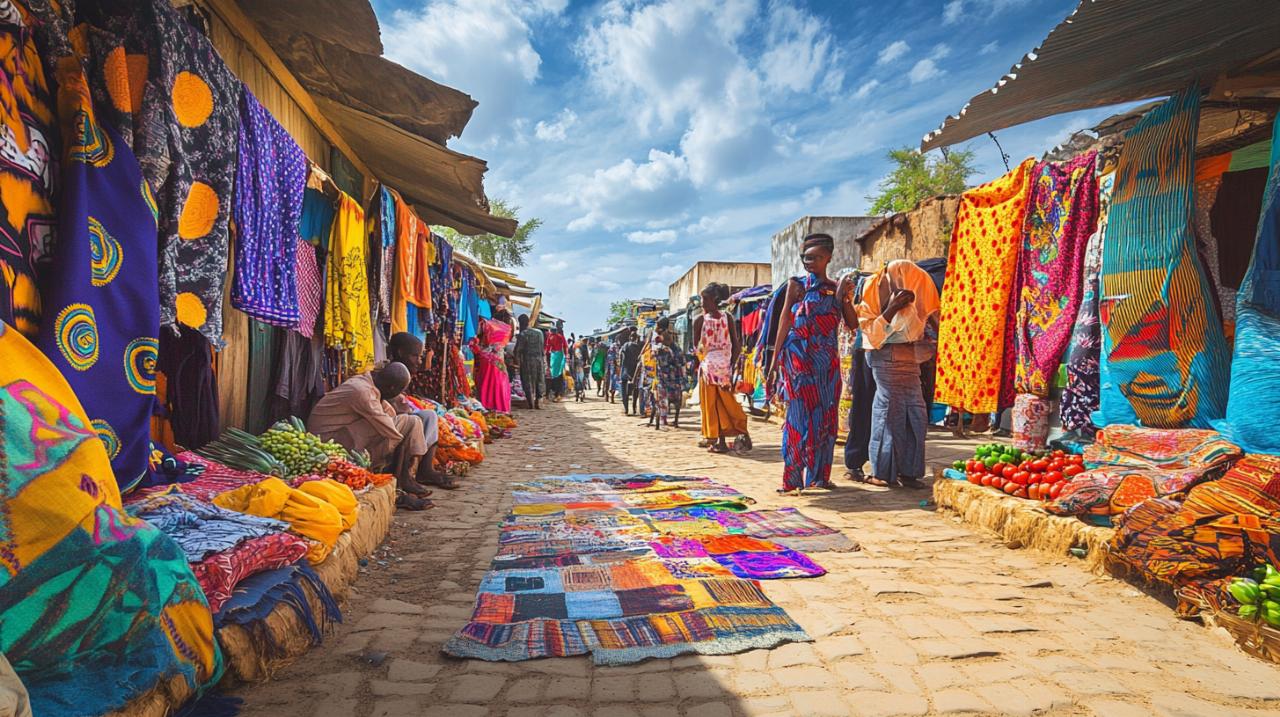
Ceremonial life among the Wolof people encompasses occasions both sacred and celebratory, moments when communities gather to mark transitions, honour traditions, and reinforce social bonds. Wrestling, known as laamb in Wolof, stands as perhaps the most beloved traditional sport, combining physical prowess with spiritual preparation and community spectacle. Wrestlers undergo rigorous training and often consult spiritual advisors, transforming athletic competition into cultural performance that draws massive crowds and intense regional loyalty. Football has also captured Senegalese imagination, and the nation's selection to host the 2026 Summer Youth Olympics in Dakar represents a proud moment where traditional sporting values meet global athletic competition.
Religious observances blend Islamic practices with cultural expressions unique to Wolof communities, creating syncretic traditions that honour both faith and heritage. Pilgrimages to sacred sites, including the magnificent mosque in Touba, the largest in Sub-Saharan Africa, draw thousands who seek spiritual renewal whilst celebrating their cultural identity. These gatherings become opportunities for families to reconnect, for traditions to be transmitted, and for communities to reaffirm their collective values. Cinema has emerged as another medium through which Wolof artists explore their heritage, with Senegalese filmmakers gaining international recognition whilst telling distinctly local stories. Through these various forms of celebration and artistic expression, Wolof culture demonstrates its remarkable capacity to honour the past whilst engaging creatively with the present.
Wolof heritage in modern dakar: where tradition meets urban life
Culinary Traditions: Thieboudienne and the Art of Shared Meals
Senegalese cuisine, deeply influenced by Wolof culinary traditions, transforms meals into communal experiences that nourish both body and social connections. Thieboudienne, often considered the national dish, exemplifies this approach with its generous combination of fish, rice, and vegetables seasoned with rich tomato sauce. The dish itself tells stories of coastal abundance, agricultural traditions, and the blending of influences that characterises Senegalese culture. Preparing thieboudienne requires skill and patience, qualities that reflect broader cultural values about the importance of doing things properly and taking time to create something worthy of sharing.
Wolof cuisine features fish, chicken, lamb, and beef prominently, with pork notably absent due to Islamic dietary laws. Peanuts, rice, and millet form foundational elements, their prevalence reflecting both agricultural realities and historical trading patterns. Vegetables add colour, nutrition, and variety to dishes that are designed to be eaten communally from shared platters. This practice of gathering around a single large dish reinforces family bonds and demonstrates the teranga that defines Senegalese hospitality. Meals become occasions for conversation, laughter, and the transmission of family stories and cultural knowledge. In modern Dakar's restaurants and homes alike, these culinary traditions persist, adapting to urban rhythms whilst maintaining their essential character as expressions of generosity and community.
Cultural preservation amidst contemporary senegalese society
As Dakar grows into a major African metropolis, the challenge of preserving Wolof cultural heritage whilst embracing progress becomes increasingly complex. The capital city pulses with energy, its streets filled with traders, artists, students, and entrepreneurs navigating between tradition and modernity. Boutique hotels and four-star establishments cater to growing tourism, offering visitors glimpses into Senegalese culture through carefully curated experiences. Gorée Island, a UNESCO World Heritage Site, stands as a powerful reminder of the slave trade's painful history, its preserved buildings bearing witness to suffering whilst also celebrating resilience and cultural survival.
Cultural organisations and non-profit groups work to create opportunities for deeper engagement with Senegalese heritage. Tours exploring art, spirituality, and history allow both Senegalese youth and international visitors to connect with traditions that might otherwise remain hidden behind urban development. Visits to artists' studios, performances of West African music, and excursions to natural wonders like the pink lake create pathways for cultural transmission that adapt traditional knowledge-sharing to contemporary contexts. The home village of Léopold Sédar Senghor, Senegal's first president and a renowned poet, offers insights into how cultural pride and intellectual achievement can coexist and reinforce each other. Wildlife reserves demonstrate commitments to environmental stewardship rooted in traditional relationships with the land. Through these various initiatives, Wolof culture continues to evolve, finding new expressions whilst maintaining the core values of community, hospitality, and artistic excellence that have defined it for generations. The journey into Wolof tradition reveals not a static museum piece but a living heritage that continues to shape Senegalese identity in profound and dynamic ways.