
Senegal offers a remarkable combination of pleasant weather conditions and rich cultural heritage during March, making it an ideal destination for travellers seeking both comfort and meaningful experiences. This West African nation, often referred to as the land of teranga or hospitality, provides visitors with an opportunity to explore colonial architecture, UNESCO World Heritage Sites, and natural wonders whilst enjoying the tail end of the dry season. The accessibility from European capitals, combined with favourable visa policies and a welcoming atmosphere, positions Senegal as an increasingly attractive choice for those looking to immerse themselves in authentic African culture and history.
Understanding Senegal's Climate and Weather Patterns in March
Temperature Ranges and What to Expect During Your Visit
March represents one of the most comfortable periods to explore Senegal, as the country experiences the latter part of its dry season which stretches from November through to March. The capital city of Dakar typically sees average low temperatures hovering under twenty degrees Celsius, whilst daytime highs reach closer to twenty-seven degrees. These moderate conditions create a pleasant environment for outdoor activities and sightseeing, particularly when compared to the sweltering heat that characterises other months. The temperature variations across the country remain relatively consistent during this period, though coastal areas benefit from refreshing Atlantic Ocean breezes that provide additional comfort for visitors.
Travellers planning a Senegal travel adventure in March will find the weather particularly agreeable for exploring historical sites such as Gorée Island and wandering through the colonial architecture of Saint-Louis. The moderate temperatures allow for extended periods of outdoor exploration without the exhaustion that comes with extreme heat. The climate during this month strikes a perfect balance, offering warm days ideal for beach visits at Cap Skirring or Petite Côte, whilst evenings provide a comfortable coolness that makes dining al fresco and enjoying Dakar's vibrant nightlife genuinely pleasurable.
Rainfall Patterns and Dry Season Advantages for Travellers
The dry season advantage becomes particularly evident when considering rainfall patterns across Senegal. The rainy season typically occurs from June through September or October, meaning March visit timing ensures minimal precipitation disruptions to travel plans. The northern regions of the country receive approximately three hundred to three hundred and fifty millimetres of rain annually, whilst southern areas experience between one thousand and one thousand five hundred millimetres. However, during March, rainfall becomes exceptionally rare throughout the entire nation, creating optimal conditions for both wildlife observation and cultural exploration.
This absence of rain proves especially beneficial for visitors planning excursions to natural attractions such as the Djoudj National Bird Sanctuary, where wetland bird watching reaches its peak during these months. The dry conditions also facilitate access to remote locations like the Lompoul Desert and make navigation through the Sine-Saloum Delta considerably easier. Road conditions remain favourable, which is particularly important given that the sept place system forms the bedrock of all road transportation in Senegal. The predictable weather allows travellers to plan their itineraries with confidence, knowing that outdoor activities, safari experiences at locations like Bandia Wildlife Reserve, and visits to historical sites will proceed without weather-related complications.
Exploring senegal's rich colonial heritage sites
Gorée island: a journey through atlantic trade history
Located merely three kilometres from Dakar, Gorée Island stands as a UNESCO World Heritage Site that serves as a profound memorial to the transatlantic slave trade. Designated in nineteen seventy-eight, this small island carries immense historical significance as a former hub of the Atlantic slave trade. The House of Slaves museum, with its admission fee of fifteen hundred CFA francs, documents this dark chapter of human history through powerful exhibits and preserved architecture. The museum's door of no return remains one of the most emotionally charged historical landmarks in West Africa tourism, symbolising the final departure point for countless enslaved Africans.
The island itself offers more than just historical reflection, presenting visitors with charming colonial-era buildings adorned with vibrant bougainvillaea and offering stunning views of the Atlantic Ocean coastline. Walking through the narrow streets, visitors encounter a living community that has preserved its heritage whilst adapting to modern times. The journey to Gorée Island provides an essential educational experience that contextualises Senegal's position within global history and offers insights into the resilience of communities affected by this tragic period. The island's accessibility from the capital makes it an unmissable destination for anyone seeking to understand the complex layers of colonial heritage that shaped not only Senegal but the entire African diaspora.
Saint-louis architecture and french colonial influences
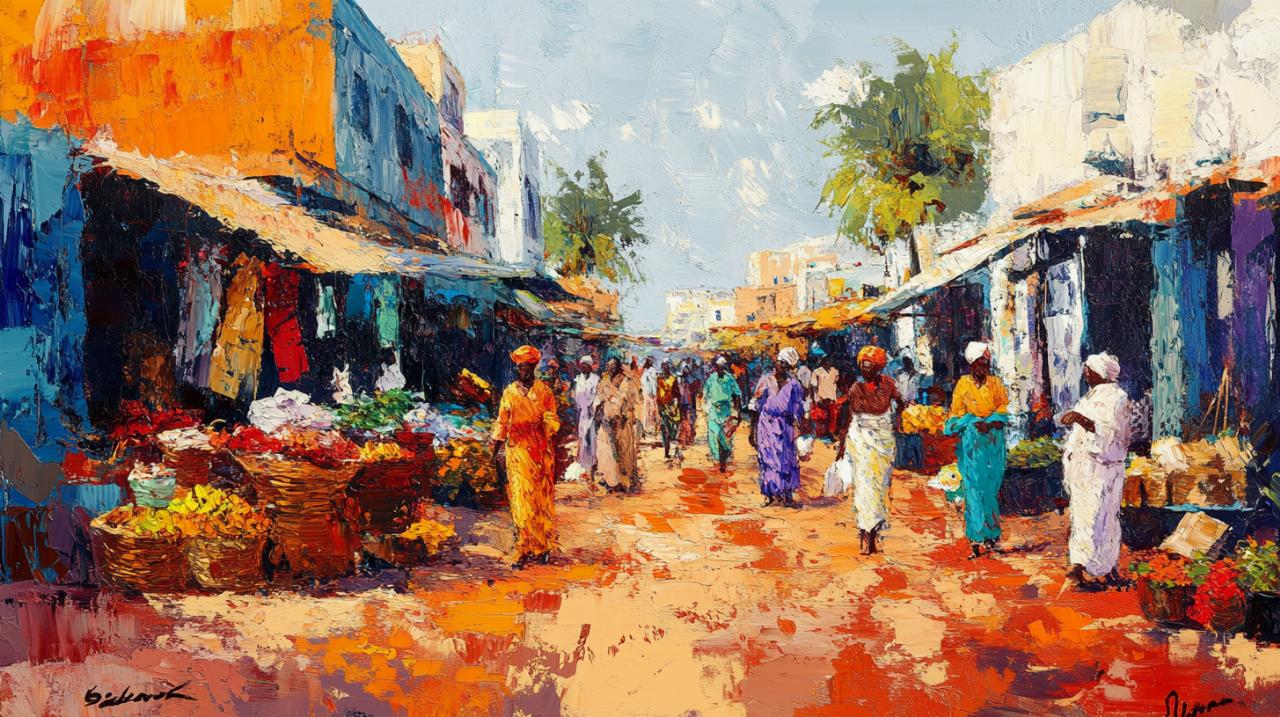
Saint-Louis, positioned two hundred and thirty-four kilometres north of Dakar and remarkably at the same latitude as Timbuktu, represents another jewel in Senegal's colonial heritage crown. Founded in sixteen fifty-nine, this former colonial capital became a UNESCO World Heritage Site due to its exceptional preservation of French colonial architecture. The city's distinctive character emerges from its location on an island in the Senegal River, connected to the mainland by the iconic Faidherbe Bridge, designed by Gustave Eiffel and opened in eighteen ninety-seven. The bridge itself stands as a testament to nineteenth-century engineering prowess and provides a dramatic entrance to this historic settlement.
The architectural landscape of Saint-Louis showcases the French language influence through building styles that blend European aesthetics with African practicality. Colourful facades line streets where wrought-iron balconies overlook bustling markets and quiet courtyards. The city's preservation efforts have maintained the authentic character of its colonial-era structures whilst allowing them to function as homes, businesses, and cultural institutions. Beyond the architecture, Saint-Louis offers insights into the administrative and commercial networks that defined French West Africa. The city's proximity to the Djoudj National Bird Sanctuary, a wetland area for migratory birds spanning sixteen thousand hectares, makes it an ideal base for combining cultural heritage sites exploration with natural world experiences, demonstrating the diverse attractions available within West Africa tourism.
Essential Activities and Practical Travel Tips for March
Cultural festivals and local events during early spring
March presents an exceptional opportunity to experience authentic cultural celebrations in Senegal, with Korité falling on the tenth of March and Easter Monday on the twenty-ninth. Korité, marking the end of Ramadan, transforms cities and villages alike into vibrant celebrations of faith, family, and community. The festivities involve elaborate meals, new clothing, and widespread social gatherings that embody the Wolof language concept of teranga. Visitors who time their Senegal travel to coincide with these celebrations gain unprecedented access to genuine cultural experiences, witnessing traditional ceremonies and participating in communal joy that transcends tourist attractions.
The Mouride Brotherhood celebration at the Great Mosque of Touba, located two hundred kilometres east of Dakar capital, offers another profound cultural experience. Built in eighteen eighty-seven, this spiritual centre features a prayer hall that accommodates over seven thousand worshipers. The mosque's architecture and the devotion it inspires provide visitors with insights into the Islamic traditions that shape daily life for many Senegalese people. Throughout March, various local markets and artisanal fishing centres like Kayar, the third-largest in the country, maintain their authentic rhythms, allowing visitors to observe traditional livelihoods that have sustained communities for generations. The combination of scheduled festivals and ongoing cultural practices creates a rich tapestry of experiences for those willing to engage respectfully with local customs.
Packing Recommendations and Health Considerations for the Season
Preparing for a March visit to Senegal requires thoughtful consideration of both climate conditions and health requirements. Light, breathable clothing suits the moderate temperatures, though visitors should pack layers for cooler evenings and air-conditioned environments. Sun protection becomes essential given the strong equatorial sunshine, with quality sunscreen, wide-brimmed hats, and sunglasses forming necessary components of any travel kit. Comfortable walking shoes prove invaluable for exploring sites like the African Renaissance Monument, a forty-nine-metre bronze statue completed in two thousand and ten, and navigating the shell-covered paths of Joal Fadiouth shell island.
Health considerations include the requirement for yellow fever vaccination proof when arriving from endemic countries, a policy strictly enforced at Dakar airport and official land borders. Visitors should ensure six months of passport validity remains and familiarise themselves with the visa on arrival policy that provides free entry for up to three months to holders of more than one hundred different passports. This generous visa policy, implemented to encourage tourism after a decline in two thousand fourteen to fifteen, significantly simplifies travel logistics. The CFA Franc currency, with an exchange rate of approximately six hundred and fifty-five CFA to one euro, remains the preferred payment method, as cash transactions dominate outside major hotels. Healthcare in Senegal ranks among the best in West Africa, with the country's effective management of health challenges demonstrating capable medical infrastructure. Carrying a basic medical kit alongside any prescription medications ensures preparedness for minor ailments whilst allowing full enjoyment of adventure tourism opportunities, from safari experiences at Fathala Wildlife Reserve to exploration of baobab trees and the unique ecosystem of Lake Retba pink lake.